AI Arabic Calligraphy Generators in 2025
Artificial Intelligence (AI) has become one of the most influential forces in creative industries — from music and film to design and visual arts.
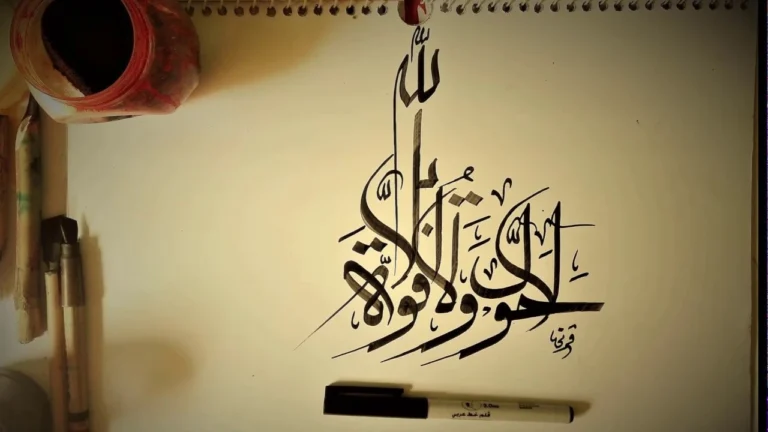
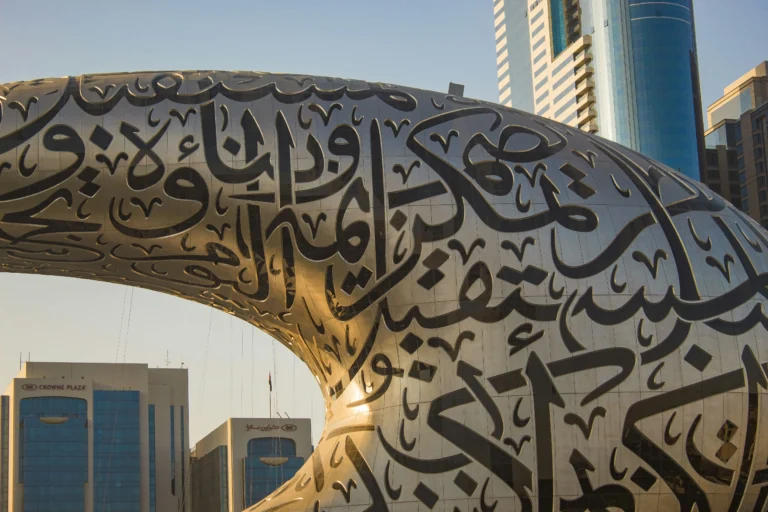
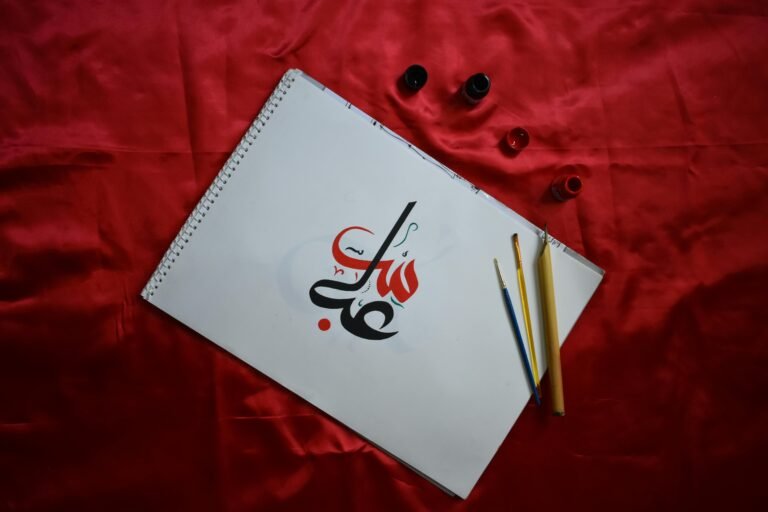
One of the most exciting frontiers of this evolution is Arabic calligraphy, an art form known for its elegance, spiritual symbolism, and centuries-old tradition.
In 2025, AI Arabic Calligraphy Generators are transforming how we experience and create Arabic art.
What once demanded years of training, mastery of pen strokes, and deep knowledge of script structure can now be achieved with smart technology. With a few clicks, designers, students, and enthusiasts can produce authentic Arabic calligraphy that honors heritage while embracing modern design trends.
AI isn’t here to replace human creativity — it’s here to amplify it.
How AI Calligraphy Generators Work
At the heart of every AI Arabic calligraphy generator lies a sophisticated deep learning algorithm trained on thousands of historical calligraphy samples. These models study patterns from classical scripts like Thuluth, Diwani, Naskh, and Kufic, understanding how letters connect, how strokes flow, and how proportions balance across a composition.
When a user types text — whether in Arabic or Latin script — the system interprets it, applies the chosen calligraphy style, and generates high-resolution artwork.
Many modern tools also include font customization, color control, stroke width adjustment, and background design options. Users can even export their work as PNG, SVG, or transparent images ready for web or print.
This means anyone — even without design experience — can create museum-quality Arabic calligraphy art within seconds.
Popular AI Arabic Calligraphy Platforms
Several platforms now lead this growing field of AI-driven calligraphy creation:
Each of these platforms focuses on accessibility, authenticity, and artistic freedom, making Arabic design available to global audiences.
Preserving Heritage Through Technology
The greatest value of AI in Arabic calligraphy lies in its cultural preservation.
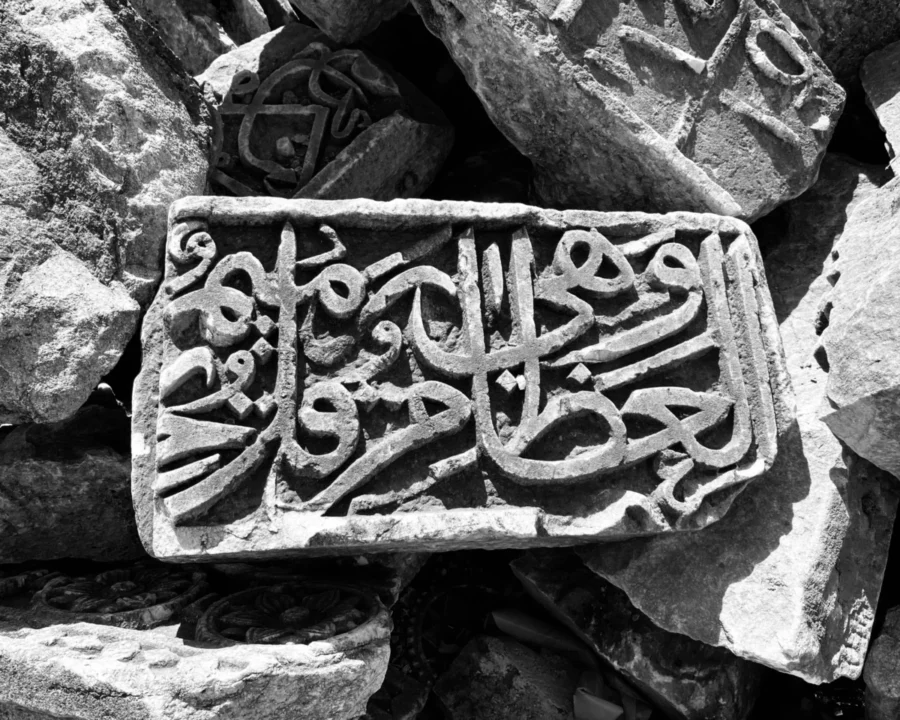
Arabic calligraphy is not just an art form — it’s a living record of Islamic history, language, and spirituality. Unfortunately, many ancient manuscripts are deteriorating or remain inaccessible to the public.
AI models trained on these archives help digitally restore and preserve old texts, ensuring that the elegance of classical calligraphers lives on in the digital age.
This process safeguards traditional styles while making them available for educational, artistic, and cultural use worldwide.
As a result, young artists today can explore and experiment with scripts that might otherwise have been lost to time.
Creative Freedom and Modern Design
While AI excels at imitation, its real power lies in inspiration.
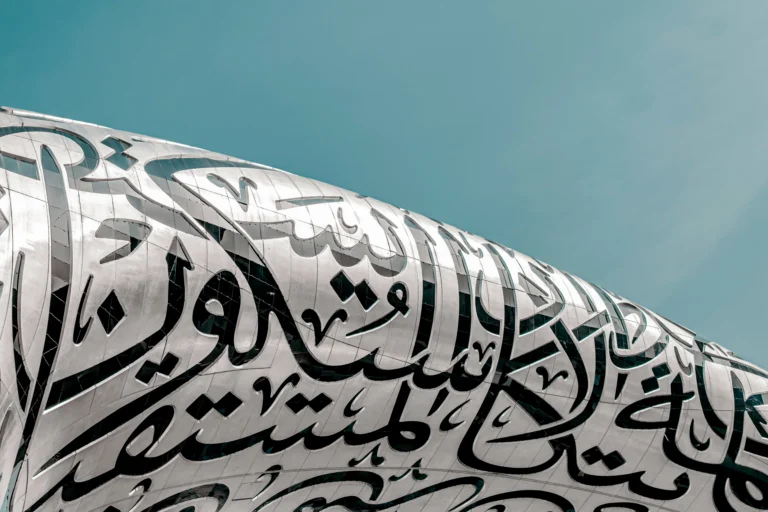
Artists are no longer limited to traditional ink or canvas. Using AI Arabic calligraphy generators, they can merge calligraphy with 3D modeling, motion graphics, AI texture mapping, and augmented reality (AR) design.
For example:
This creative fusion reflects a growing trend — heritage-inspired innovation — where technology enhances, rather than replaces, artistic traditions.
Educational and Research Applications
AI Arabic calligraphy tools are also reshaping education.
Language teachers, historians, and art educators use these generators to demonstrate how each script evolved, highlighting stylistic differences between Kufic geometry and Diwani fluidity.
Students can type text, see how it transforms into calligraphy, and adjust elements in real time.
This interactive learning experience makes studying Arabic writing systems both engaging and informative.
Moreover, universities and design schools are beginning to include AI calligraphy modules in digital art courses — training the next generation of designers to merge cultural literacy with technical skills.
Ethics and Artistic Authenticity
A common debate around AI-generated art is authenticity.
Can an algorithm truly capture the soul of human expression?
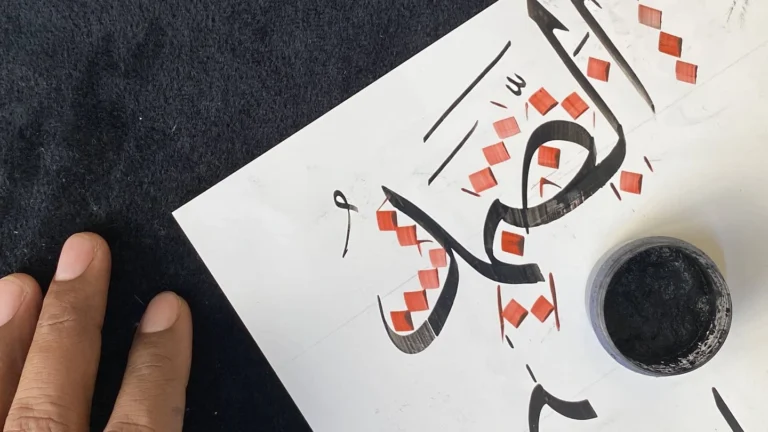
While AI can replicate form and symmetry, it lacks the intentional imperfection and emotional nuance of a human artist.
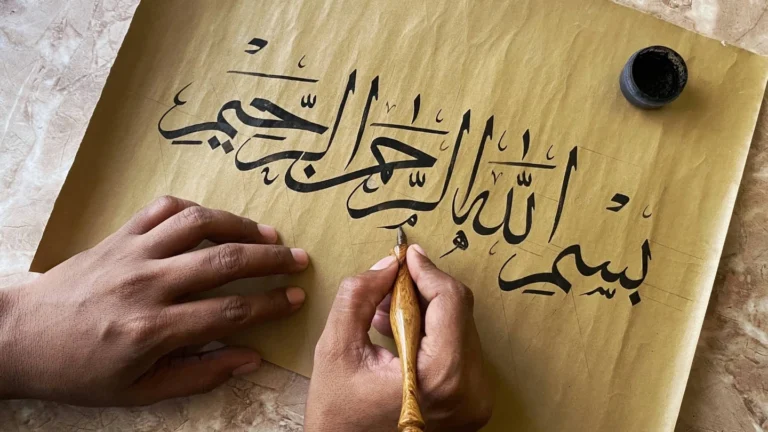
Traditional calligraphy remains a meditative process, often tied to spirituality and reflection. AI, on the other hand, serves as a tool of assistance, not a replacement.
Professional calligraphers increasingly use AI for initial sketches or concept generation, refining the digital outlines manually afterward.
This synergy ensures that human creativity continues to guide AI precision — producing results that are both meaningful and visually stunning.
The Future of AI Arabic Calligraphy
Looking ahead, the fusion of AI and Arabic art is only beginning.
By 2030, experts predict that calligraphy tools will evolve into interactive design ecosystems — where users can create animated scripts, generate calligraphy from voice commands, or even print their designs in 3D.
AI’s role will grow beyond automation, moving toward collaboration — empowering artists, educators, and cultural institutions to explore new dimensions of Arabic art.
Conclusion
Arabic calligraphy has always been more than an art form — it’s a bridge between language, spirituality, and beauty.
In 2025, AI Arabic Calligraphy Generators are extending that bridge into the digital world, preserving history while inspiring creativity.
By merging machine learning with cultural heritage, AI has made Arabic calligraphy accessible to everyone, from school classrooms to professional design studios.
These tools remind us that technology, when used with respect for tradition, can honor the past and shape the future — one elegant stroke at a time.