Learn Arabic Calligraphy Generator Script Online in 2025
The Modern Way to Learn Arabic Script
Learn Arabic Script Online might seem complex at first — the elegant curves, subtle dots, and graceful letter connections can feel foreign to beginners. However, by 2025, technology has revolutionized this learning experience.
With Arabic calligraphy generators, students can visualize every letter in real time, explore authentic writing styles, and even transliterate English words into Arabic automatically. These tools make learning not just accessible, but deeply creative and enjoyable.
Whether you’re starting from scratch or refining your artistic skills, this complete guide will show you how to learn Arabic script online with calligraphy generators — step by step.
The Artistic Legacy Behind Arabic Script
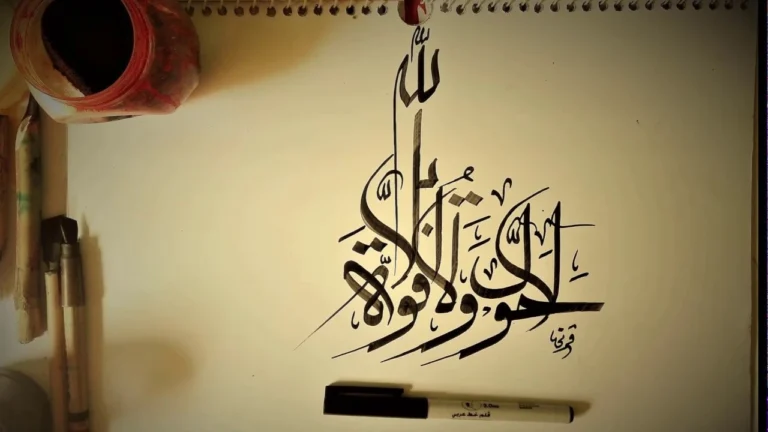
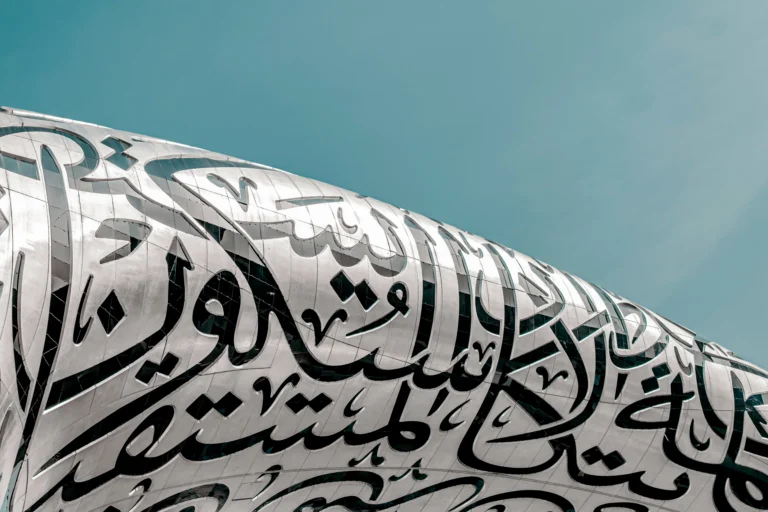
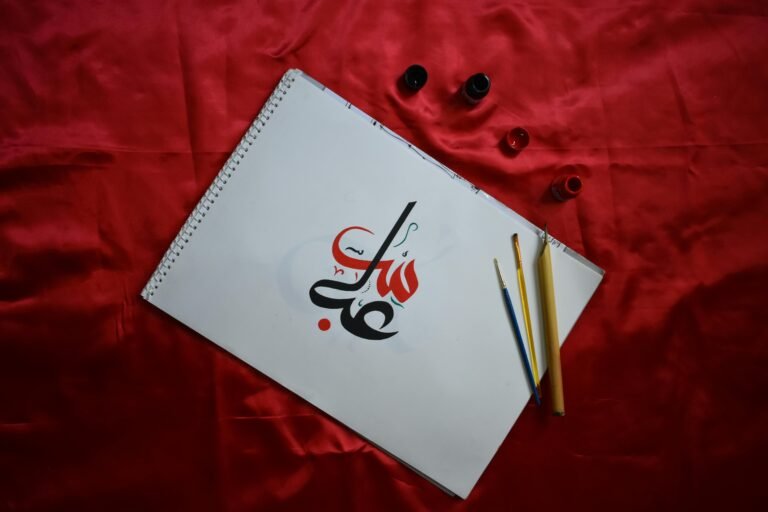
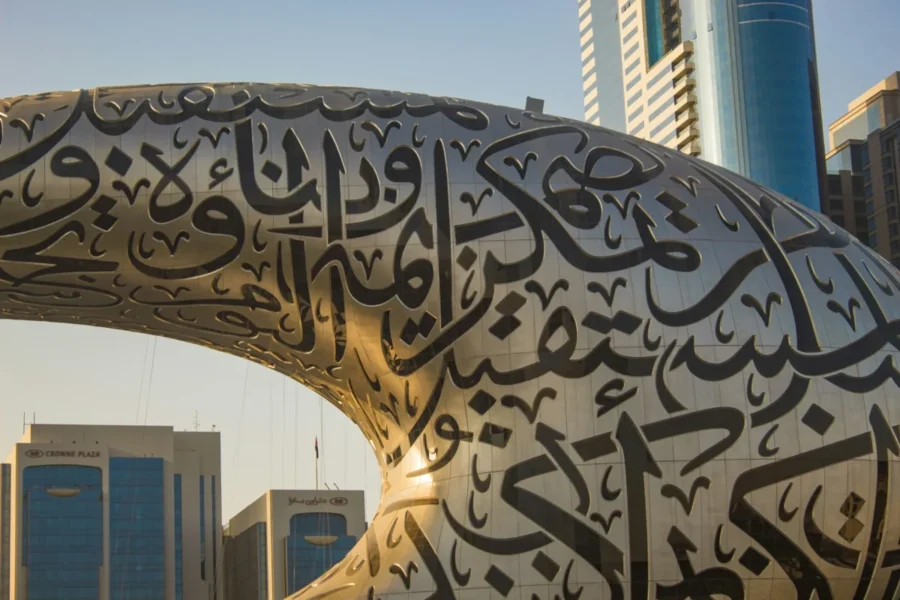
Arabic calligraphy is more than a writing system — it’s a cultural art form shaped by over a millennium of history. From mosque domes to modern design logos, Arabic calligraphy expresses spiritual depth and aesthetic precision.
The Arabic alphabet includes 28 letters, written from right to left. Each letter changes shape based on its position — initial, medial, final, or isolated. Calligraphy transforms these shapes into art, highlighting balance, flow, and rhythm.
Modern digital tools now capture these artistic rules, helping learners appreciate the beauty of form and structure even without traditional pens or ink.
Why Use Calligraphy Generators to Learn Arabic Script Online
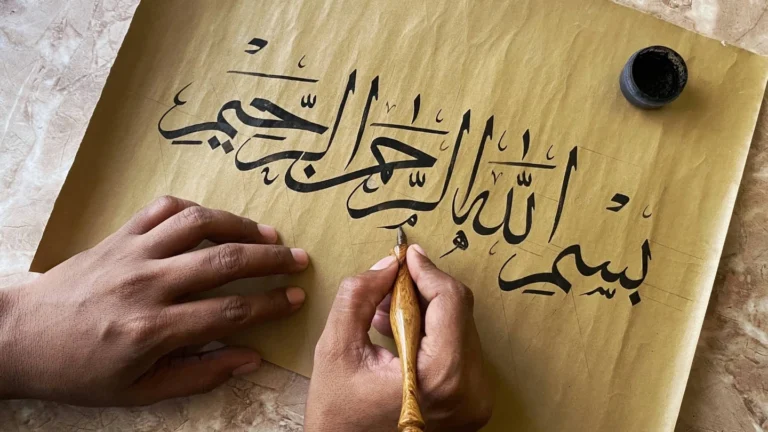
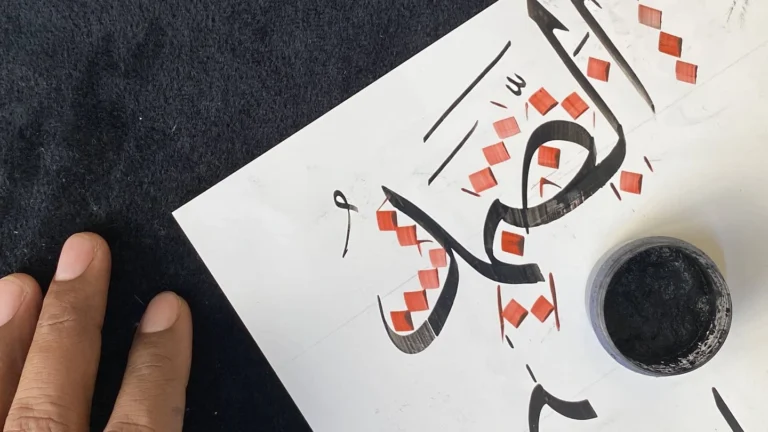
Traditional calligraphy requires years of practice, steady hands, and specialized tools. In contrast, online Arabic calligraphy generators offer a practical and visually engaging way to learn. Here’s why they’re so effective:
Instant Visual Feedback
Type any Arabic word or English transliteration and instantly see the calligraphic form. This real-time feedback helps learners understand how letters connect and shift shapes within a word.
Easy Transliteration for Beginners
Even without knowing Arabic, you can type words phonetically — such as “Salam” — and the generator will convert it into “سلام” (peace). This makes pronunciation and reading comprehension easier.
Style Exploration
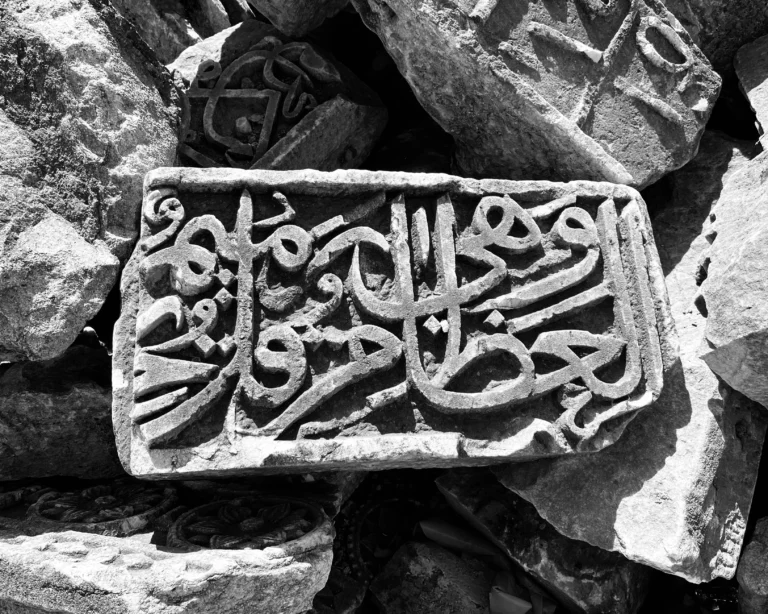
Experiment with iconic Arabic calligraphy styles like Thuluth, Diwani, Naskh, and Kufic. Each reveals a different artistic and cultural identity, enriching your understanding of Arabic aesthetics.
Engaging Educational Tool
Educators use calligraphy generators to create visual worksheets, class posters, and tracing exercises, turning Arabic lessons into interactive art experiences.
Getting Started: Guide to Learning Arabic Script Online
Choose a Reliable Calligraphy Tool
Start with a tool that supports both Arabic and English inputs. A great choice is our Arabic Calligraphy Generator — it’s beginner-friendly, free, and works seamlessly on any device.
Begin with Simple Words
Start with basic, meaningful words like سلام (Salam) meaning “peace” or حب (Hubb) meaning “love.”
Type them in English first to see transliteration, then retype in Arabic to strengthen script recognition.
Explore Different Calligraphy Styles
Arabic calligraphy has several classical styles:
| Style | Description | Ideal For |
| Naskh | Clear and readable; standard print form | Beginners |
| Thuluth | Elegant and decorative with long strokes | Art projects |
| Diwani | Flowing and ornate; Ottoman influence | Creative writing |
| Kufic | Angular and geometric; oldest style | Logo and design |
Observe Letter Connections and Stroke Flow
Arabic letters change shape depending on position. Try typing a letter alone and within words to study how strokes merge seamlessly — this is the heart of Arabic beauty.
Customize, Save, and Print Your Designs
Once comfortable, experiment with:
Then export your work as PNG or SVG to print and trace. Build a digital alphabet poster to track your learning journey.
How Arabic Calligraphy Generators Support Education
For Teachers
For Students
These tools blend language learning with creativity, making Arabic more enjoyable and memorable for all ages.
Understanding Arabic Calligraphy Styles: A Beginner’s Guide
1. Naskh – The Foundation of Arabic Learning
2. Thuluth – The Artistic Statement
3. Diwani – The Royal Flow
4. Kufic – The Geometric Classic
By studying each style, learners grasp the evolution and versatility of Arabic calligraphy.
Transliteration: Bridging English and Arabic Scripts
One of the hardest aspects of learning Arabic is matching sounds to letters.
Calligraphy generators simplify this with automatic transliteration, converting Latin script into Arabic instantly.
For example:
| English | Arabic | Meaning |
| Allah | الله | God |
| Mohammed | محمد | Prophet Mohammed |
| Jameela | جميلة | Beautiful |
| Noor | نور | Light |
This feature helps learners understand phonetic structures and develop natural writing flow over time.
Creative Projects Using Arabic Calligraphy Online
Once familiar with Arabic words and styles, use your skills for creative learning projects:
These projects make practice tangible and deeply rewarding.
Best Practices for Learning Arabic Script Digitally
To master Arabic script online, follow these proven tips:
The secret lies in steady, creative exploration.
Conclusion:
Connecting Culture and Creativity through Arabic Calligraphy
Arabic calligraphy is not just an art — it’s a living bridge between language, culture, and imagination. Thanks to digital calligraphy generators, anyone can now learn Arabic script from anywhere in the world.
No ink, no paper — just curiosity and a few minutes each day.
Start today, explore different styles, and watch as each letter you form deepens your connection with one of the world’s most beautiful writing systems.