
Arabic Calligraphy Logo Design — Free Generator + Complete Guide 2026
Arabic calligraphy logo design is one of the areas growing fastest of brand identity globally work . From luxury fashion houses in Dubai and Riyadh to food halal businesses in London and New York restaurants in Istanbul and Karachi and cultural organizations North Africa and Southeast Asia across — Arabic calligraphy logo design is increasingly language visual of choice for brands that want heritage communicate , authenticity and distinction.
This guide explains everything you need about know creating an effective Arabic calligraphy logo design which script styles work best for different industries, how typography approach and color, the common mistakes to avoid, and how to use the Arabic calligraphy logo design Generator to develop initial concepts before moving to professional production.
Why Arabic Calligraphy Works So Powerfully in Logo Design
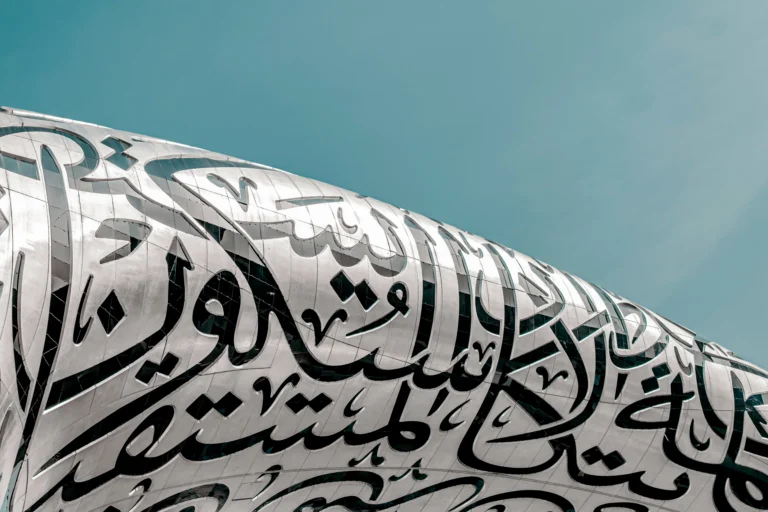
Arabic calligraphy logo design brings a set of visual qualities Latin typography offers rarely. flow right to left , the dynamic letter connections the range from angularity geometric organic flowing curves — these qualities create logos that are distinctive visually and immediately recognizable even audiences who cannot Arabic read.
This is the key insight behind successful Arabic most calligraphy branding Arabic calligraphy logo design: the script communicates meaning levels two simultaneously. to Arabic readers, it communicates name brand or concept with full clarity linguistic . To non Arabic audiences communicates identity cultural, heritage, craftsmanship and authenticity through form visual alone. Arabic typography Behance
Brands that serve Arab markets Muslim communities or audiences international seeking cultural authenticity benefit most directly from communication dual. But the visual power of Arabic calligraphy logo design has also made it effective for brands with no direct Arabic connection cultural, luxury goods, artisan products and creative businesses that want uniqueness signal and artistic sensibility.
Choosing the Script Right Style Your Brand
The calligraphy style is single most decision important in an Arabic logo design. Each style carries distinct historical associations, visual qualities and appropriateness industry .
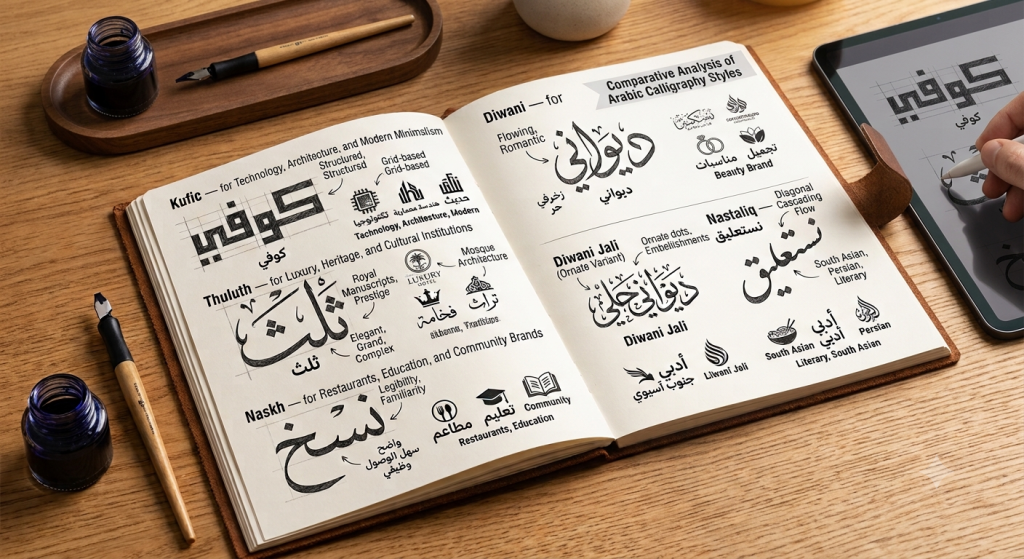
Kufic — for technology, architecture, and modern minimalism
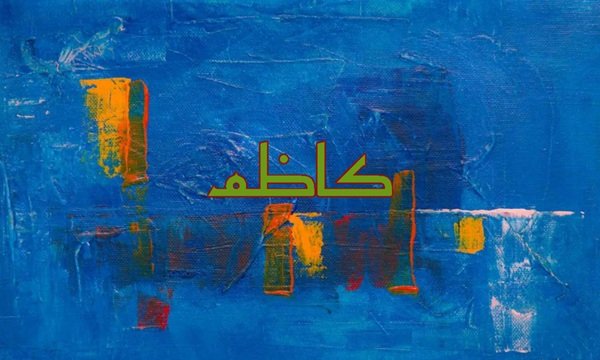
Kufic is Arabic script oldest, characterized by angular letterforms geometric. In its modern form, exceptionally translates well design logo because its structured, grid based quality aligns with contemporary design principles. Technology companies, architectural firms and modern brands lifestyle find Kufic’s geometric precision communicates innovation while maintaining depth cultural. The angular letterforms also scale cleanly, which essential for logos used across media multiple.
Thuluth — for luxury, heritage, and cultural institutions
Thuluth’s tall letterforms, dramatic curves, and historical prestige make it the natural choice for premium brands. Its associations with mosque architecture, royal manuscripts, and formal Islamic art communicate quality, tradition, and authority. Luxury hospitality, high-end retail, cultural foundations, and heritage brands benefit most from Thuluth. It works best at medium to large scales— the complexity of the letterforms becomes difficult to read at very small sizes. Thuluth for brand identity
Naskh — for restaurants, education, and community brands
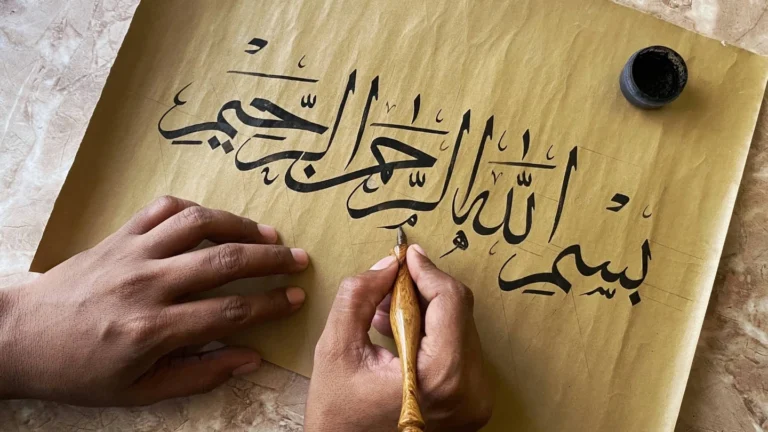
Naskh’s legibility and familiarity make it the most accessible Arabic logo style. Arabic-speaking audiences immediately read Naskh clearly, which makes it ideal for brands where the actual name needs to be communicated efficiently— food businesses, educational institutions, healthcare brands, and retail. Naskh also pairs most naturally with Latin typefaces in bilingual logo designs.
Diwani — for events, fashion, and beauty brands
Diwani flowing romantic letterforms well suited to brands with a feminine or identity celebratory. Wedding planners, event businesses, fashion labels, beauty brands and companies hospitality use Diwani signal warmth, luxury and personal attention. Diwani Jali — the ornate variant — adds decorative dots and embellishments highly create distinctive marks visual . Kufic and Thuluth for logo design
Nastaliq — for South Asian, Persian, and literary brands
Nastaliq diagonal cascading flow recognizable instantly as script of Urdu and Persian. For brands with South Asian or Iranian cultural positioning — Urdu-language media, South Asian food brands, Pakistani fashion, Persian art — Nastaliq direct communicates cultural authenticity no other can match script.
Typography Rules for Arabic Logo Design
Arabic script follows structural rules that must be respected in logo design or the result will be visually incorrect to Arabic readers, regardless of how attractive it appears to non-Arabic audiences.
Letter connections mandatory — Arabic letters connect other each within a word. A logo design that breaks these connections — by spacing out letters effect aesthetic, for example — is typographically incorrect and will read as broken or text illiterate to Arabic-speaking audiences. Letter connections must be exactly preserved.
Letter forms contextual — Each Arabic letter has up to four different depending shapes on whether it appears at the beginning, middle or end of a word or isolation. A logo designer who simply copies letter individual shapes without understanding positional forms will produce text incorrect. This is why using a reliable calligraphy tool or trained typographer Arabic is essential. logo design principles
Right-to-left orientation non negotiable — reads Arabic from right to left. Any logo layout must respect this directionality. When combining Arabic and Latin text in logo bilingual , the Arabic text should appear on the right and the Latin text on left, reflecting the natural reading direction of script each.
Short vowels are optional but diacritical marks matter — Most Arabic text omits short vowel marks (harakat). However, if diacritical marks included — as they sometimes in calligraphic compositions for effect aesthetic they must be placed correctly. Incorrect diacritics can change the meaning of entirely word.
Color Strategy for Arabic Calligraphy Logos
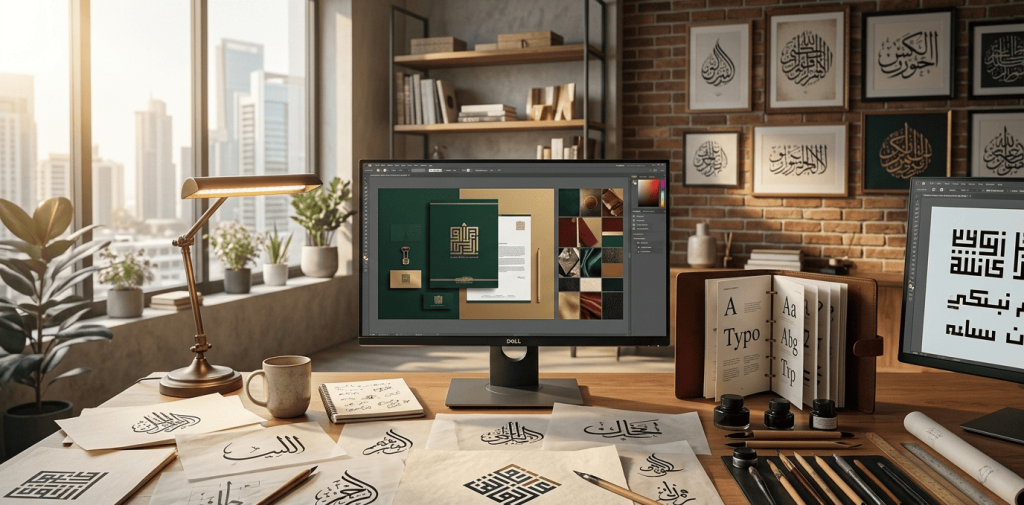
Color choices interact with calligraphic style to create the overall brand impression. Here are the most effective combinations by sector: Arabic font generator for logos
Gold on black or navy deep — The quintessential luxury Arabic logo palette. Gold calligraphy backgrounds dark communicates quality premium immediately. Used extensively high end hospitality, retail and cultural institutions across region Gulf and beyond. The gold-on-dark contrast also performs well print and media digital.
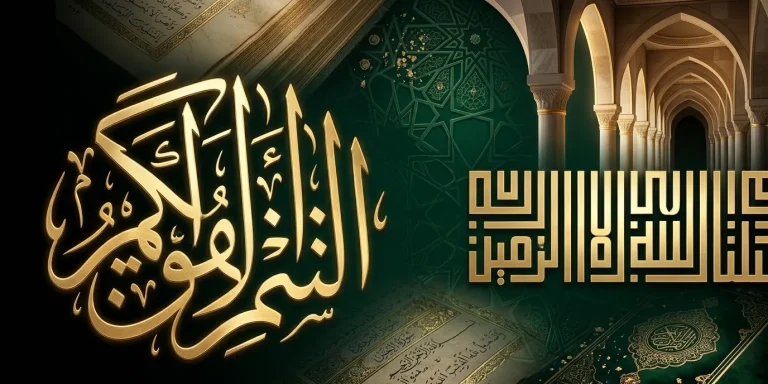
Deep green and gold Green carries deep cultural resonance in world Islamic and Arabic speaking countries. Combined with gold calligraphy, heritage communicates , nature and spiritual depth simultaneously. Popular for halal brands food Islamic financial services and organizations cultural.
White on rich tones jewel — White calligraphy deep burgundy, forest green or creates midnight blue dramatic contrast while elevated feeling and contemporary. This palette well works for restaurants, fashion brands and event businesses.
Black and white with accent single — For modern, minimalist brand identities, clean black Naskh or Kufic white with accent single color (copper, terracotta or deep blue) communicates sophistication without weight historical. Suits technology brands, creative studios and retailers contemporary.
Bilingual Logo Design — Arabic and English Together
Many brands operating in both Arabic-speaking and markets international need logos that work in both Arabic and script Latin . Bilingual Arabic logo design presents specific challenges that must be handled carefully to produce a result coherent . Arabic logo inspiration
The most common approach is stacked logo bilingual — Arabic calligraphy on one line and equivalent Latin directly below or above. The challenge is finding calligraphic and typographic pairings that feel harmonious visually. Heavy Kufic script pairs well with bold geometric sans serif fonts Latin. Flowing Diwani pairs well with serif delicate or script Latin fonts. Naskh pairs well humanist serif sans Latin fonts.
Visual weight matching is critical. If Arabic calligraphy logo design is significantly heavier or lighter than text Latin, the two elements will feel like they belong to different logos. Adjust the relative size and weight of each until they balance as a single composition.
The Coca Cola Arabic logo is cited frequently example of successful design bilingual. The natural curves in Coca-Cola wordmark allowed smooth transition to an calligraphic Arabic rendering that maintained brand recognition while respecting Arabic letterform rules.
Step by Step — Developing Logo Arabic Guidelines
Here is practical process for developing an Arabic calligraphy logo design from concept to production-ready file:
Step 1 — Define your positioning brand
Decide whether your luxury brand, accessible, modern or traditional. This determines your style script . Heritage and luxury Thuluth or Diwani. Modern and accessibl Naskh or Kufic.
Step 2 — Generate initial calligraphy concepts
Use Arabic Calligraphy Generator to produce your brand name or concept key in different calligraphy styles. Export options multiple at 3x scale for comparison. Online arabic calligraphy logo design generators are commonly used during the early concept exploration phase of development logo ..
Step 3 — Choose your style and palette color
Select calligraphy style and color combination that best fits your brand positioning. Print or display the options side by side for comparison.
Step 4 — Refine with designer professional or calligrapher
For production-ready logos, work with professional Arabic calligrapher logo design or experienced Arabic graphic designer who can create a version vectorized of your chosen concept. Vector files (SVG or AI format) are essential for logos they scale quality without loss across all media from cards business billboards. AI tools for arabic calligraphy logo design
Step 5 — Test across all cases use
your Test logo sizes small (business card app icon) medium sizes letterhead, website header and sizes large. Verify that letterforms Arabic remain readable and visually correct at all scales. Kufic performs best across size ranges. Diwani requires larger minimum sizes retain legibility.
Step 6 — registration Trademark
If you intend to protect your Arabic calligraphy logo design, trademark registration in your markets operating advisable. Many Gulf countries, the UK, EU and US trademark offices accept script Arabic marks. Consult a local attorney trademark for guidance.
Industries Where Arabic Calligraphy Excel Logos
Certain sectors have adopted Arabic calligraphy branding successfully most:
Halal food and restaurants The word حلال (Halal) in Naskh clean calligraphy is one of most recognized commercial Arabic script globally marks . Restaurants, food brands and hospitality businesses across Muslim majority markets and diaspora communities use calligraphy Arabic to communicate cultural authenticity and community belonging. regional Arabic styles for global brands
Islamic finance and banking Arabic calligraphy used extensively in financial Islamic institution branding to communicate compliance Sharia , heritage and trustworthiness. The visual language of script traditional in a modern context bridges the gap between values classical and service contemporary.
Luxury goods and fashion Arabic luxury brands from Saudi Arabia, UAE and Qatar increasingly use calligraphy custom marks as their identity primary. global appetite for non Western luxury aesthetics has made Arabic calligraphy logo design branding increasingly effective European and American markets luxury as well.
Cultural organizations and events Museums, cultural foundations, festivals and governmental cultural bodies across the Arab world use calligraphy as visual language of identity cultural. The UNESCO recognition of Arabic calligraphy logo design 2021 has accelerated this trend. historical authority of Arabic scripts
Frequently question and answers related Arabic Calligraphy Logo Design
What Arabic Calligraphy Logo Design?
Arabic Calligraphy Logo Design is use of Arabic script and typography artistic to create brand identities and business logos.
Which Arabic script best for logo design?
Kufic and Thuluth are among the most styles popular because they combine readability with strong impact visual.
Is Arabic Calligraphy Logo Design good for brands modern ?
Yes, many luxury, fashion, restaurant and cultural brands use Arabic calligraphy to create unique identities visual.
Can Arabic logos work internationally
Yes, Arabic logos often communicate identity cultural and artistic value even to audiences who cannot Arabic read.
Why Kufic popular in branding?
Kufic has a geometric and appearance minimal that works well in modern branding digital and architecture.
Conclusion
Arabic calligraphy logo design offers something that few other traditions visual can: a 1400-year old art form with contemporary immediate relevance a visual language that communicates at multiple levels simultaneously and a distinctive aesthetic that stands out in market competitive.
Whether you are designing a logo for a restaurant luxury, a fashion label, institution cultural , or personal brand, Arabic calligraphy logo design gives you access to one of the world richest traditions visual. The process begins with generating concept your — type your brand name in the Arabic Calligraphy Generator and explore which style best captures your identity brand.
Many designers online Arabic calligraphy tools to explore logo concepts and styles script.