
Thuluth vs Naskh Which Arabic Calligraphy Style Should You Use ?
thuluth vs naskh are two most styles recognized in Arabic calligraphy. They have visual shaped Islamic culture for over thousand years, appearing everywhere from Quranic manuscripts to mosque walls to digital modern design. Yet despite their heritage shared, they are different profoundly in origin, in appearance, in use and in message they communicate. complete guide to all 13 styles
This guide gives you a complete comparison of thuluth vs naskh so you can make an informed decision for your next design, artwork or learning project. You can try both styles live on Arabic Calligraphy Generator and see difference for yourself.
The Origins of thuluth vs naskh:
thuluth vs naskh, thuluth was developed in the 9th century during the Abbasid Caliphate. Its name means “one third” in Arabic, referring to the proportional rule that one third of each letter should be straight and two thirds curved a defining feature of its visual character. history of both scripts
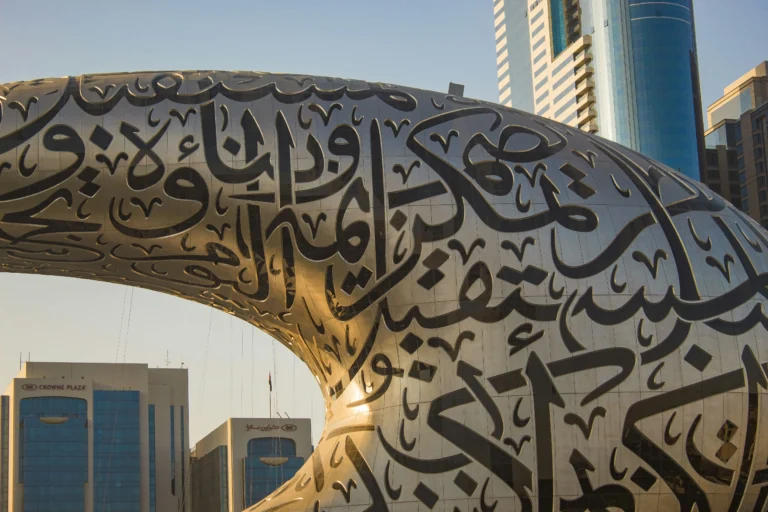
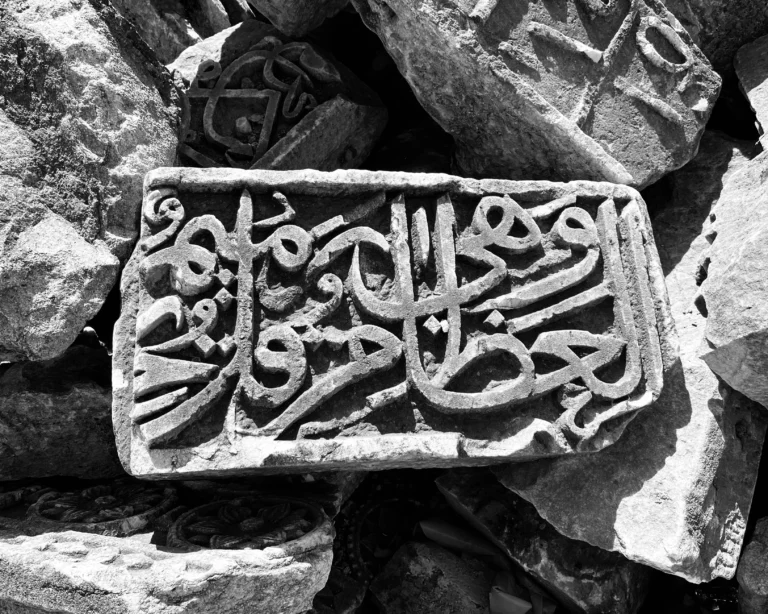
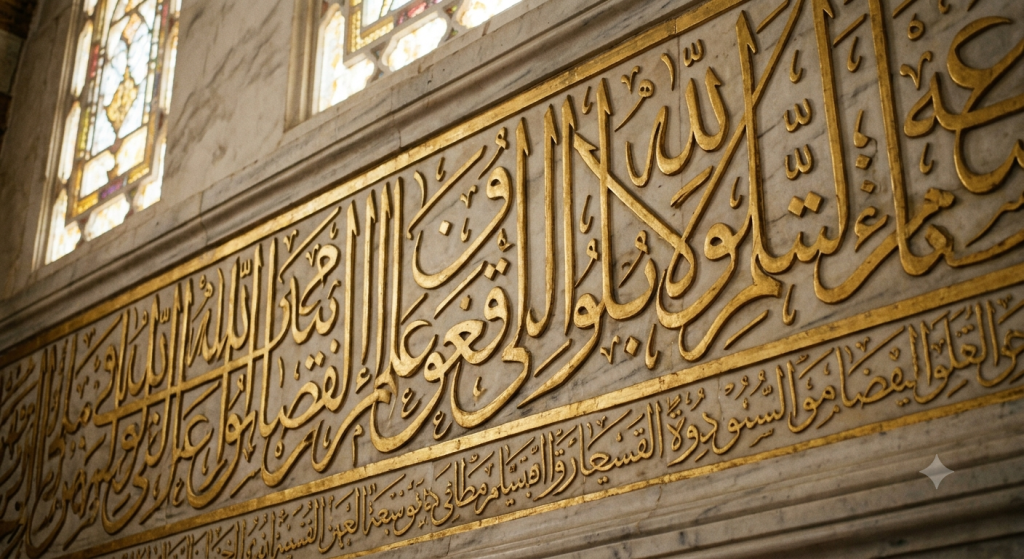
From beginning Thuluth was a prestige script. It was used for headings and titles chapter in Quran manuscripts, for inscriptions on walls mosque and minarets and for formal calligraphic displayed compositions as art. When you visit the Blue Mosque in Istanbul, the Dome of Rock in Jerusalem or virtually any significant Islamic monument, the inscriptions you see are almost written certainly in thuluth vs naskh.
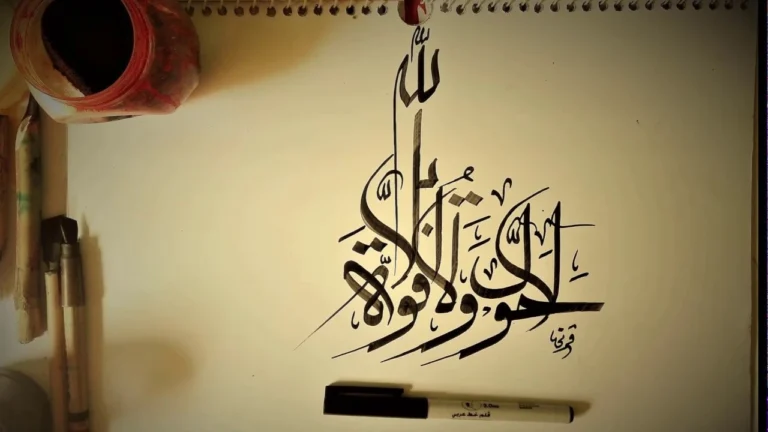
Its visual characteristics reflect its origins tall, vertical elongated strokes sweeping, curves generous dramatic ascenders that tower over rest of the composition and a rhythmic density that rewards close study. Thuluth is not designed for quick reading. It is designed for contemplation.
The Origins of Naskh:
Naskh was formalized in the 10th century largely through the work of calligrapher Ibn Muqla who is credited with developing the first proportional system for Arabic script a geometric method based on the rhombic dot as a unit of measurement. Ibn Muqla system brought mathematical precision to letter formation and made Naskh the most structurally consistent of Arabic scripts. Ibn Muqla
The name Naskh means “copying” in Arabic which reveals its intended purpose. This was the script designed for reproduction for copying the Quran in its body text, for writing books, for correspondence and eventually for printing. When Arabic was first typeset using moveable type in the 18th and 19th centuries, Naskh was script chosen because its clarity and regularity translated best to mechanical reproduction.
Today Naskh is foundation of digital Arabic typography. Every Arabic website, newspaper, textbook and app uses aderived script from the Naskh tradition. It is default Arabic script of the modern world.
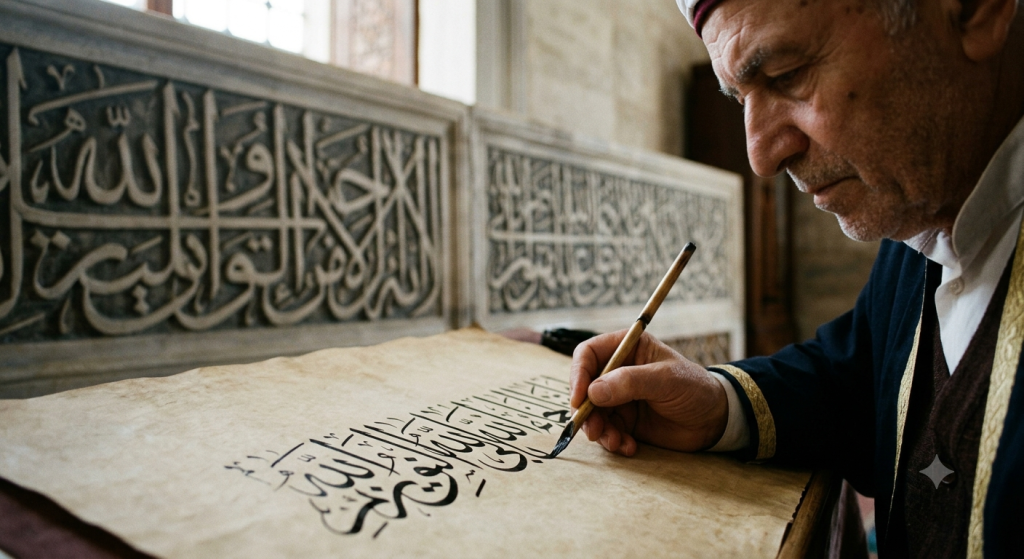
Side by Side Comparison:
Here is how the two styles compare across key designers criteria and learners care about most:
Visual size: thuluth vs naskh letters are large, dramatic and designed to be seen from distance. Naskh letters are compact, modular and designed for close comfortable reading.
Legibility: Naskh clearly wins. Its rounded even letterforms are readable immediately to anyone familiar with Arabic script. thuluth vs naskh requires familiarity and often study deliberate to read quickly.
Use case: Thuluth for art, decoration, headings and short, prestigious texts. Naskh for body text, books, websites, signage and any context where readability matters.
Learning difficulty: Naskh is taught first to calligraphy students because its proportional rules are clear and its letterforms are consistent. Thuluth is typically introduced after at least two to three years of Naskh practice.
Digital performance: Naskh renders beautifully at all screen sizes. Thuluth performs best at large sizes and can become visually complex at small display scales.
Cultural associations: Thuluth carries associations with sacred, monumental and the historical. Naskh is associated with knowledge, scholarship and accessible communication.
When to Use Thuluth:
Thuluth is the right choice when you want impact visual and cultural prestige. Its natural home is anywhere text is meant to be seen and admired rather than simply read.
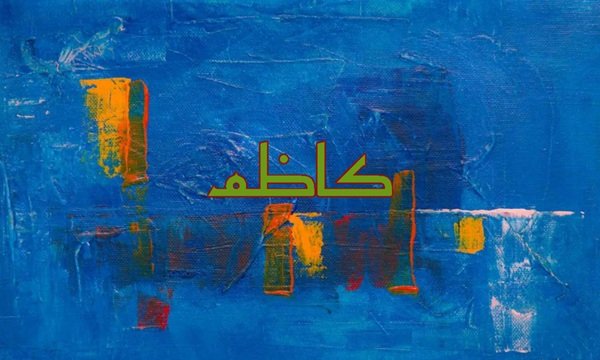
formats. For wall art and framed pieces Thuluth creates the most powerful single word or short phrase compositions. The word “Allah,” the “Bismillah” or a family name in Thuluth has presence that Naskh cannot match at large formats. The elongated letterforms fill frame with authority. Thuluth wall art
For logos and brand identity Thuluth works well for organizations that want to communicate heritage, gravitas or cultural authenticity. Many Islamic institutions, cultural foundations and traditional businesses use Thuluth inspired typography in their identity. Thuluth script history
For short ceremonial texts wedding invitations, certificates, commemorative plaques and formal event signage Thuluth is appropriate wherever the text is a focal decorative element rather than functional information.
For learning purposes studying Thuluth after mastering Naskh gives calligraphy students the ability to compose ambitious large format works. Many calligraphers spend their entire refining careers their Thuluth.
When to Use Naskh:
Naskh is the right choice whenever your text needs to be read rather than admired. It is the workhorse of Arabic script reliable, elegant and universally understood.
For longer texts on wedding invitations, websites, educational materials or any context where multiple sentences appear, Naskh ensures your audience can actually read what you have written. Even most beautiful thuluth vs naskh composition becomes impractical when extended to paragraph length. Naskh script origins
For bilingual designs that pair Arabic with English Naskh is the most compatible choice. Its clean letterforms and even baseline naturally sit alongside Latin typefaces without visual competition.
For beginners learning Arabic script Naskh is the recommended universally starting point. Its consistency its clear proportional rules and its visual connection to printed and Arabic digital make it the most practical foundation for building calligraphic skill. Diwani for wedding invitations
For digital interfaces, apps and any screen based design, Naskh is the standard. Its clarity at small sizes and its familiar appearance to Arabic readers make it functional default.
Which Is Harder to Learn ?
Thuluth is significantly harder to master. Its proportional rules are complex, its letterforms have multiple accepted variations and the dramatic visual differences between well executed and poorly executed thuluth vs naskh are immediately obvious. Traditional calligraphy academies require students to complete at least two to three years of Naskh practice before beginning Thuluth instruction. beginners should start with Naskh
Naskh is challenging in its own way the consistency and mathematical precision required to produce even, well spaced Naskh at speed takes years to develop but its rules are clearer, its letterforms are more forgiving and the feedback loop between practice and improvement is more immediate for beginners.
For anyone learning Arabic calligraphy the standard path is Naskh first then Thuluth after a solid foundation is established.
Which Is Better for Digital Design ?
For impact pieces logos, hero banners, poster headings and large format prints thuluth vs naskh wins. At scale where these elements are displayed, Thuluth dramatic letterforms create a visual presence that is difficult to match.
For everything else body text, labels, captions, UI elements, navigation, readable content Naskh wins without contest. Its legibility at all sizes and its familiarity to Arabic reading audiences make it the natural choice for any design where the text needs to communicate information. Thuluth for logo design
Many professional Arabic designers both combine in single project thuluth vs naskh for the headline or focal decorative point and Naskh for body content and details. This combination leverages the strengths of each style while avoiding their limitations respective.
You can compare both styles on the Arabic Calligraphy Generator type your text once and switch between styles to see exactly how same content reads differently in each.
Famous Examples of Each Style:
Thuluth most examples iconic are found in Islamic architecture. The interior inscriptions of Blue Mosque Sultan Ahmed Mosque in Istanbul, completed in 1616, are widely considered some of finest calligraphy thuluth vs naskh in existence. The Surah headings in Quran handwritten manuscripts the larger more ornate text that introduces each chapter are traditionally written in thuluth vs naskh. The word “Allah” as a standalone calligraphic composition has been produced in Thuluth by every major calligrapher for over a thousand years. Islamic calligraphy tradition
Naskh most significant examples are found in manuscripts. The Quran Cairo manuscripts produced by al Azhar calligraphers from 14th century established onward Naskh as standard for Quranic body text. The printed Quran produced editions in Egypt, Saudi Arabia and Turkey in the 20th century standardized Naskh typography globally. Every Arabic newspaper, textbook and website today traces its script directly to the Naskh tradition.
Conclusion
There is no correct answer to question of thuluth vs naskh. They are tools complementary in Arabic calligraphy tradition, each suited to different purposes, contexts and audiences.
Choose thuluth vs naskh when you want visual power, weight historical and artistic drama. Choose Naskh when you want clarity, readability and structural elegance. Use both when your design demands the best of each.
The fastest way to understand difference is experience it directly. Try both styles on Arabic Calligraphy Generator with your own text and let visual difference guide your decision.