
Islamic Calligraphy: Complete History, Styles, Meaning & Beginner’s Guide
Introduction
Islamic Calligraphy is one of the most respected and spiritually important art forms in Islamic civilization. It is the artistic practice of writing Arabic letters in beautiful and styles balanced. For more than 1400 years Islamic Calligraphy has been used in Quran manuscripts, mosque decorations, architecture, ceramics, coins, textiles, books, and modern Islamic art wall.
Unlike many other art traditions Islamic art focused heavily on writing instead of human images in religious spaces. Because the Quran was revealed in Arabic, treated Muslims the written word as sacred. This deep respect for words divine helped Calligraphy Islamic become a tradition central visual throughout the Muslim world.
Today Calligraphy Islamic continues to grow in popularity across the world. It is used in décor home, art digital, logos, wedding invitations, social media designs, and personalized Islamic gifts. From handwritten traditional masterpieces to modern digital creations the beauty of Arabic script remains timeless.
The History of Islamic Calligraphy
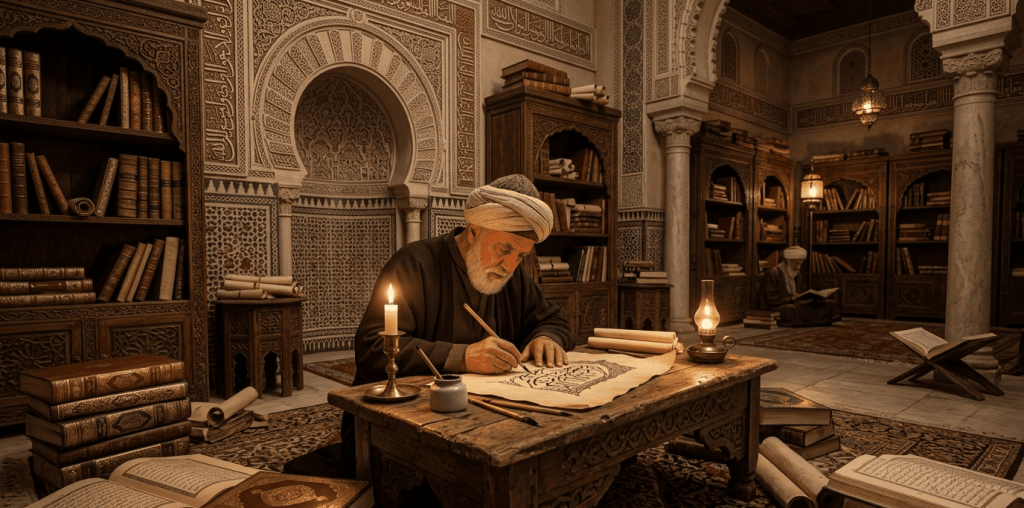
The history of Islamic Calligraphy began in the 7 century after the revelation of the Holy Quran. Although Arabic writing existed before Islam transformed it into a sacred and form artistic of communication.
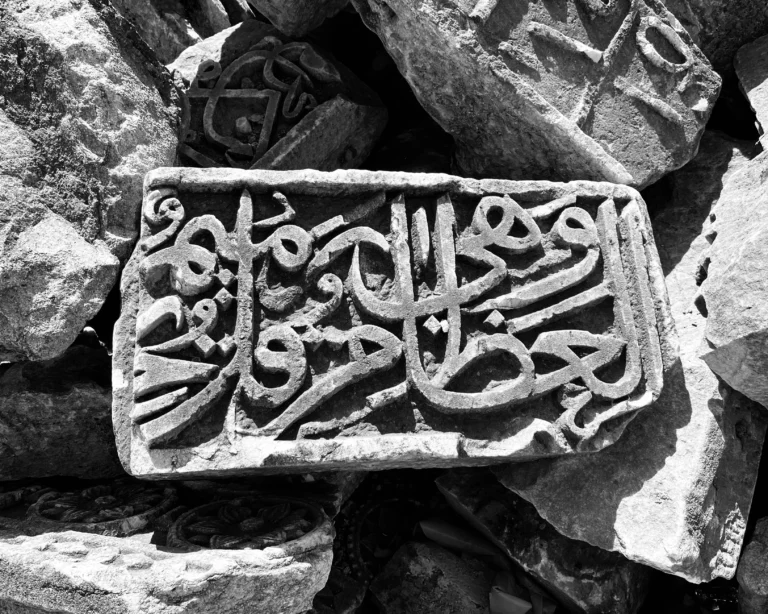
Early Muslims carefully preserved Quranic verses by writing them on parchment, leather, bones, and paper. As Islamic civilization expanded into Persia, North Africa, Turkey, Spain, and South Asia, different calligraphic developed styles in different regions.
During the period Abbasid Calligraphy Islamic reached a new level of refinement. Famous scholars and developed calligraphers proportional writing systems that standardized Arabic letters. These systems influenced manuscripts Islamic, architecture and arts decorative for centuries.
The Ottoman Empire elevated later Calligraphy Islamic further even. Ottoman mosques, palaces, and documents royal featured elegant calligraphic designs created by master artists. Many of the world greatest examples of Islamic Calligraphy were during produced this golden age.
Today museums, universities and galleries art around the world preserve and display historic Calligraphy Islamic collections as part of cultural global heritage.
Why Calligraphy Islamic Is Spiritually Important?
Calligraphy Islamic is not only an tradition artistic but also a spiritual practice. Muslims believe that writing Quranic verses beautifully is a form of respect and devotion toward the words of Allah.
The Quran mentions itself the importance of the pen and writing. Because of this traditional calligraphers treated their craft with discipline and honor. Many artists performed ablution before writing verses Quranic and used carefully prepared reed pens and handmade ink.
Islamic Calligraphy became the identity visual of civilization Islamic . Instead of focusing mainly on statues or paintings in religious spaces, Islamic culture emphasized patterns geometric , architecture and sacred writing. This gave Islamic Calligraphy a place unique in world art history.
Even today many display people Islamic Calligraphy in their homes as reminder of faith, peace and connection spiritual .
Major Styles of Islamic Calligraphy:
Over the centuries many styles script developed within the tradition of Islamic Calligraphy. Each style has its own appearance, purpose, and personality artistic.
Kufic Script
Kufic is the oldest style formal of Islamic Calligraphy. It is named city of Kufa in Iraq. This script is known for its angles sharp, straight lines, and structure geometric.
Early manuscripts Quran were commonly written in Kufic. Today modern artists often use Kufic for logos, architecture, and contemporary designs Islamic because of its bold appearance visual.
Naskh Script
Naskh is one of the most styles readable of Islamic Calligraphy. It features rounded letters and spacing balanced, making it ideal for books and Quran printing.
modern Most typography Arabic is based on Naskh tradition. Because it is easy to beginners read often start learning Arabic calligraphy through Naskh.
Thuluth Script
Thuluth is famous for its elegance and beauty decorative. The letters are large, curved and highly artistic. This style is often used in mosque walls, domes and religious art.
Many of the world most famous Islamic buildings feature Thuluth inscriptions. Its appearance dramatic makes it one of the most admired forms of Islamic Calligraphy.
Diwani Script
Diwani developed in the Empire Ottoman and was mainly used in royal courts and official documents. It has flowing curves and decorative letter connections.
Today Diwani is used commonly in wedding invitations, certificates, luxury branding and ornamental Islamic artwork.
Nastaliq Script:
Nastaliq originated in Persia and became popular highly in Urdu and literature Persian. It has a soft flowing structure that creates a poetic visual effect.
In Pakistan, Iran and parts of India, remains Nastaliq one of the loved most styles of Islamic Calligraphy.
Islamic Calligraphy in Architecture Mosque
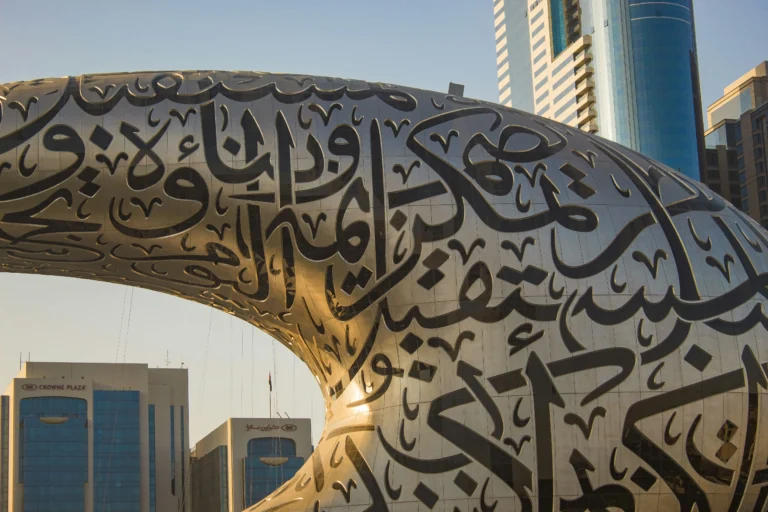
Islamic Calligraphy plays a major role in architecture mosque the world across . Quranic verses are written often on domes, walls, arches, entrances and halls prayer.
landmarks Famous Islamic such as the Mosque Blue in Istanbul, the Dome of the Rock in Jerusalem and the Palace Alhambra in Spain breathtaking feature examples of Arabic calligraphy.
In many mosques, Calligraphy Islamic serves both decorative and educational purposes. Surrounded Worshippers are by verses about faith, mercy, patience and remembrance of Allah.
This combination of architecture and writing sacred creates a peaceful atmosphere spiritual that reflects the beauty of civilization Islamic .
Famous Words Islamic and in Calligraphy Phrases
Some appear Arabic phrases more frequently in Islamic Calligraphy because of their spiritual meaning and beauty visual.
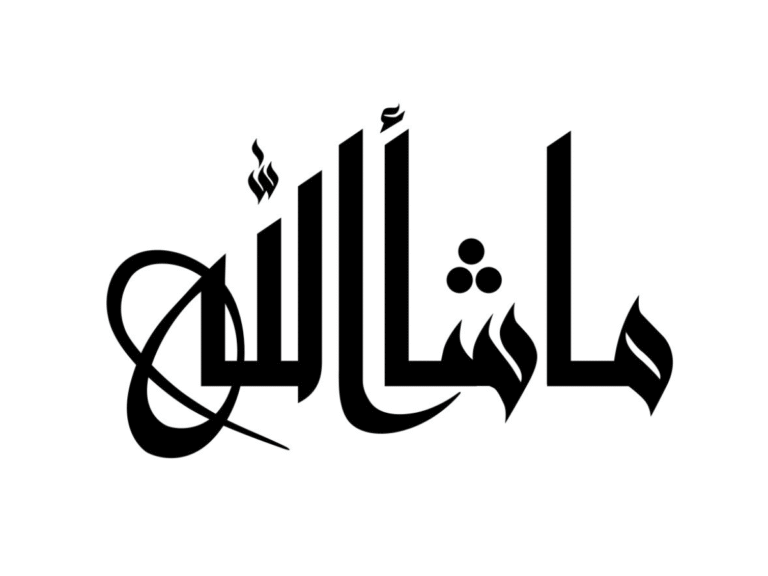
Bismillah
“Bismillah ir-Rahman ir-Raheem” means “In the Allah name the Most Merciful the Most Compassionate.” It is one of the commonly most written phrases in art Islamic .
Allah
The word “Allah” is among the most recognizable forms of Calligraphy Islamic. Artists create countless styles and compositions using this sacred name.
Muhammad
The name of Prophet Muhammad (peace be upon him) is paired often with the name of Allah in decorations mosque and Islamic work art.
Alhamdulillah
This phrase means “ praiseAll belongs to Allah.” It is commonly used in homes, wall art, and modern Islamic designs.
La ilaha illa Allah
This faith declaration of is one of the most powerful spiritually phrases in Islam and appears frequently in Islamic Calligraphy.
Islamic Calligraphy in Art Modern
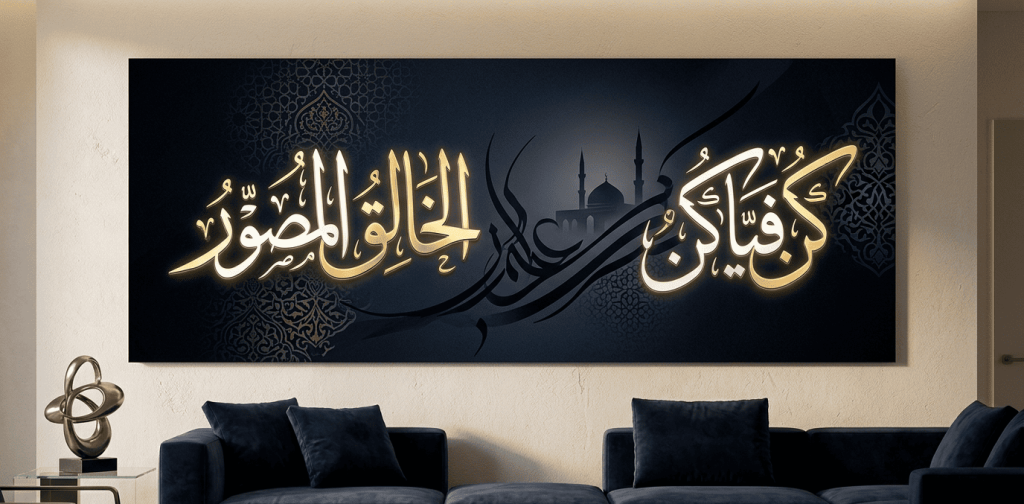
Artists Modern continue to reinvent Islamic Calligraphy using new materials, digital tools and techniques creative . Today, Calligraphy appears Islamic in
- Digital Islamic art
- Home decoration
- Social media graphics
- Canvas wall prints
- Fashion design
- Islamic branding
- NFT artwork
- galleries Contemporary
Many artists young combine traditional Arabic letters with abstract art and typography modern . This has helped Calligraphy Islamic gain popularity global beyond the world Muslim .
Digital platforms also allow beginners to beautiful create calligraphy designs without years of training formal.
Beginners How Can Learn Calligraphy Islamic
Learning Calligraphy Islamic patience requires , consistency and practice. Beginners can start by basic learning Arabic letter shapes and simple techniques writing.
Step 1: Learn Letters Arabic
Understanding the alphabet Arabic is essential before studying advanced styles calligraphy .
Step 2: Choose a Script Style
Naskh is usually for beginners recommended because it is read easier and practice.
Step 3: Tools Use Proper
Calligraphers Traditional use reed pens, special ink and paper smooth. Digital tablets are also today popular.
Step 4: Daily Practice
Consistency is improvement key . Even 20 minutes of practice daily can develop strong control writing.
Step 5: Study Professional Work
experienced Observing calligraphers helps students spacing understand , proportions, and balance artistic.
Islamic Calligraphy Benefits
Islamic Calligraphy offers artistic and benefits both spiritual. Many people practice it for creativity, relaxation and inspiration religious.
Connection Spiritual
Quranic Writing verses helps many Muslims spiritually feel connected and focused.
Artistic Expression
Islamic Calligraphy artists allows to express emotion and through beauty written language.
Preservation Cultural
It Islamic preserves heritage and historical traditions for generations future.
Home Decoration
Islamic wall art elegance adds and atmosphere spiritual to homes and offices.
Mental Relaxation
artists describe many calligraphy practice as calming and therapeutic.
Avoid Common Mistakes Beginners Should
learners New of Islamic Calligraphy often make similar mistakes practice during.
- Starting with advanced styles too early
- Ignoring letter proportions
- Using poor-quality tools
- Rushing the learning process
- guidance Practicing without
Discipline and Patience are important for mastering style calligraphy.
Asked Frequently Questions related Islamic Calligraphy
What is Islamic Calligraphy
Islamic Calligraphy is the writing artistic of script Arabic used in Islamic culture and religious art. It combines beauty, spirituality and traditional design principles that developed centuries over.
Script which is best for beginners?
Naskh is usually considered the style best for beginners because it is clear, balanced and easier to practice compared to decorative more scripts.
Why is Islamic Calligraphy in Islam important ?
Islamic Calligraphy important became because Muslims highly respected the words written of the Quran. Beautiful writing was seen as a form of devotion and worship artistic .
Can Islamic Calligraphy be digitally created ?
Yes many artists now use tablets digital, software and online generators to create modern artwork Calligraphy Islamic while preserving traditional styles.
Is Arabic Calligraphy same the Islamic Calligraphy?
Arabic Calligraphy is broader and secular include can writing, while Islamic Calligraphy mainly focuses on religious, spiritual and Islamic expression artistic .
People What Think About Islamic Calligraphy
Admire Many people Islamic Calligraphy for balance its between spirituality and beauty visual. Muslims often see it as a symbol of faith and cultural identity, while non Muslim lovers art appreciate its elegance and harmony geometric.
Designers Interior frequently use Islamic Calligraphy in homes modern because it combines tradition sophisticated decoration with. Art collectors also value calligraphy handwritten pieces because of their craftsmanship and importance historical.
With the rise of media digital, younger generations are now discovering Islamic Calligraphy through social platforms, online courses, and modern trends design.
Conclusion
Calligraphy Islamic is more than far writing decorative. It is a tradition artistic sacred that reflects the heart spiritual of civilization Islamic. From ancient Quran manuscripts to artwork digital modern, Islamic Calligraphy has inspired generations through beauty, discipline and devotion.
Its different styles script, rich history and spiritual significance continue to architecture influence, design and artistic culture around the world. Whether displayed mosques, homes, galleries or platforms digital, Islamic Calligraphy remains of the most visual powerful expressions faith and creativity.
Interest as in art Arabic continues to globally grow Islamic Calligraphy will likely remain an bridge important between tradition and artistic modern innovation for generations to come.
Explore how use islamic calligraphy ideas professionally with .