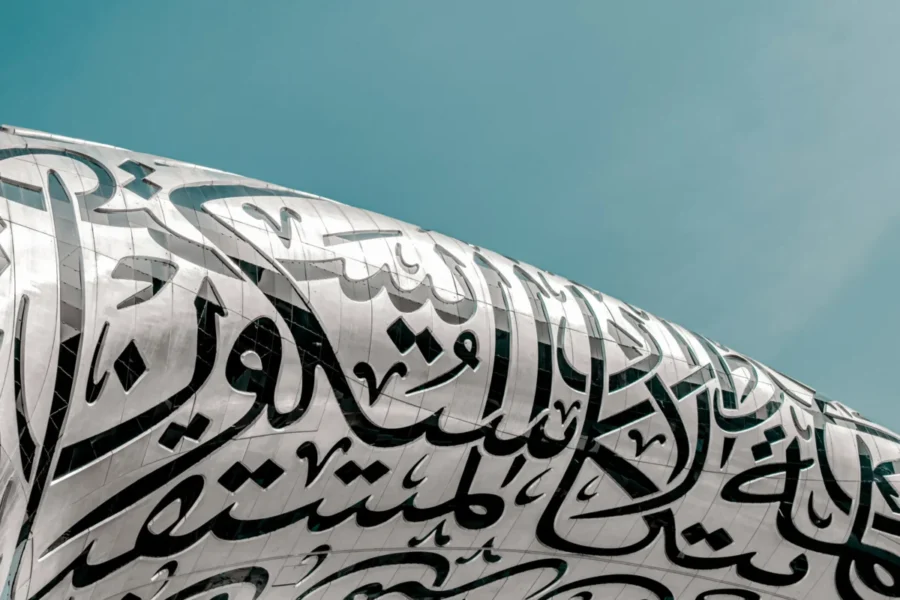
Best AI Arabic Calligraphy Generator in 2026
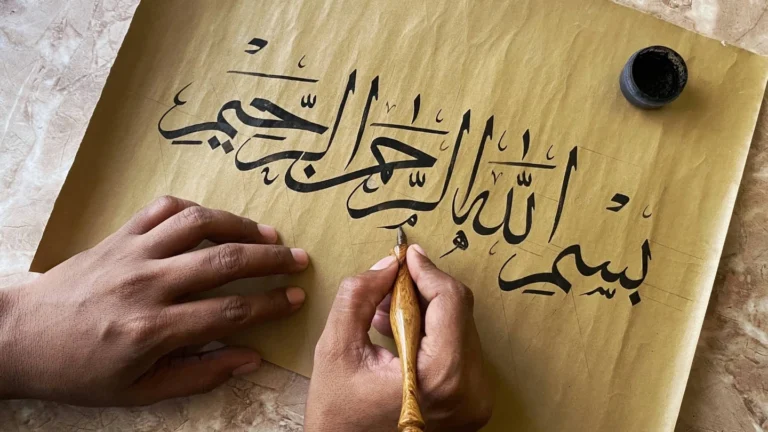
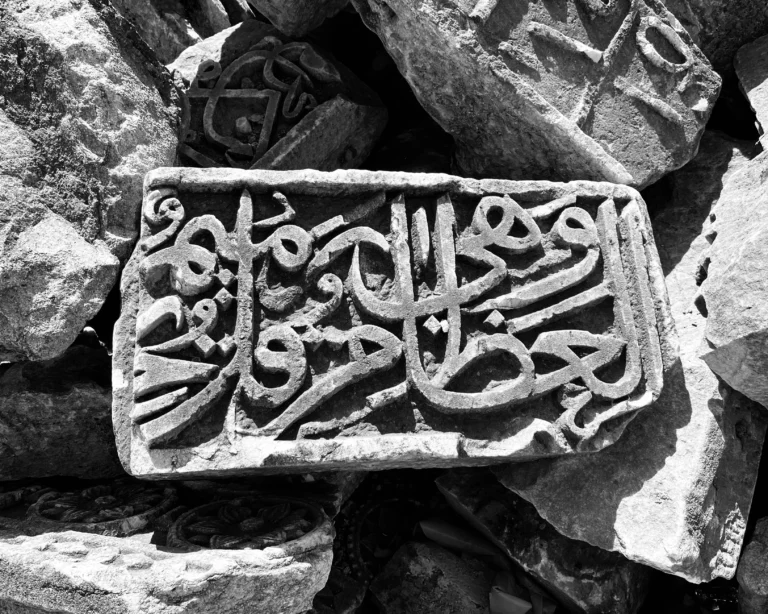
Arabic calligraphy has always been a timeless art form — one that has decorated mosque walls, royal manuscripts, and sacred texts for over fourteen centuries. In 2026, AI Arabic calligraphy generators are redefining how we create, share, and experience this ancient craft.
Once limited to skilled calligraphers who spent years mastering pen angles, proportions, and stroke weight, Arabic calligraphy is now accessible to anyone — designers, educators, students, and art enthusiasts — with just a few clicks. These tools blend cultural tradition, historical authenticity, and modern innovation in ways that would have seemed extraordinary even a decade ago.
This guide covers how AI calligraphy generators work, what makes the best ones stand out, how they are being used across industries, and what the future of AI-powered Arabic art looks like in 2026.
How AI Arabic Calligraphy Generators Work
AI calligraphy generators are built on machine learning models trained on thousands of samples of historical Arabic script. The system studies classical styles — Thuluth, Diwani, Naskh, Kufic, and others — learning how individual letters are formed, how strokes flow and connect, how proportions are maintained across different word lengths, and how stylistic variations distinguish one script tradition from another.
When you type a word or name into the generator, the AI applies those learned patterns to render your text in the chosen style. The output is not simply a font rendering — it is a composition that respects the structural rules and aesthetic conventions of the selected calligraphy tradition.
The practical steps are simple. You type your text in Arabic or Latin characters, select a calligraphy style, adjust colours and backgrounds if desired, and the generator produces your design in seconds. No prior design knowledge is required. No understanding of Arabic script is necessary. The AI handles the complexity so the user can focus entirely on creativity.
What Makes a Great AI Arabic Calligraphy Generator?
Not all generators are created equal. The best tools in 2026 share several important qualities that separate them from basic font converters.
Authentic style rendering is the most important factor. A quality generator should produce output that genuinely reflects the visual rules of the chosen script tradition. Thuluth calligraphy has very different proportional rules from Naskh — a serious generator respects this distinction rather than applying a generic Arabic aesthetic.
Style variety matters enormously. The best generators offer multiple classical styles — at minimum Naskh, Thuluth, Diwani, Kufic, and Ruq’ah — so users can explore different traditions and choose the one that fits their project.
Export quality determines usability. Professional-grade generators export in high-resolution PNG and SVG formats. SVG is particularly valuable for designers because it scales to any size without quality loss — essential for logo work, large-format printing, and web use.
Ease of use for non-designers is a hallmark of excellent tools. The interface should require no tutorial to navigate. If a first-time user cannot produce a result they are satisfied with in under two minutes, the tool has failed at its core purpose.
The Arabic Calligraphy Generator at thearabicnamegenerator.com delivers on all of these criteria — offering multiple authentic styles, clean high-resolution exports, and an interface that works equally well for complete beginners and experienced designers.
Applications in Design, Education, and Business
The versatility of AI Arabic calligraphy generators has made them useful across a surprisingly wide range of contexts.
In graphic design and creative work, these tools let designers experiment rapidly. Instead of commissioning a custom calligraphy piece for every concept exploration, a designer can generate a dozen variations in minutes, find the direction that works, and then refine from there. This accelerates creative workflows significantly.
For logo and brand identity work, Arabic calligraphy carries powerful cultural associations — authenticity, heritage, sophistication, and artistry. Businesses operating in Arab markets or targeting Muslim audiences increasingly incorporate genuine calligraphic elements into their visual identity. A generator provides a fast, cost-effective way to explore this territory before committing to a final design.
In education, AI calligraphy tools have become genuinely useful classroom aids. Teachers use them to demonstrate the visual differences between script styles, to create culturally engaging worksheets, and to help students connect language learning with artistic appreciation. The ability to type any word and instantly see it rendered in a historical style makes abstract calligraphy concepts concrete and engaging.
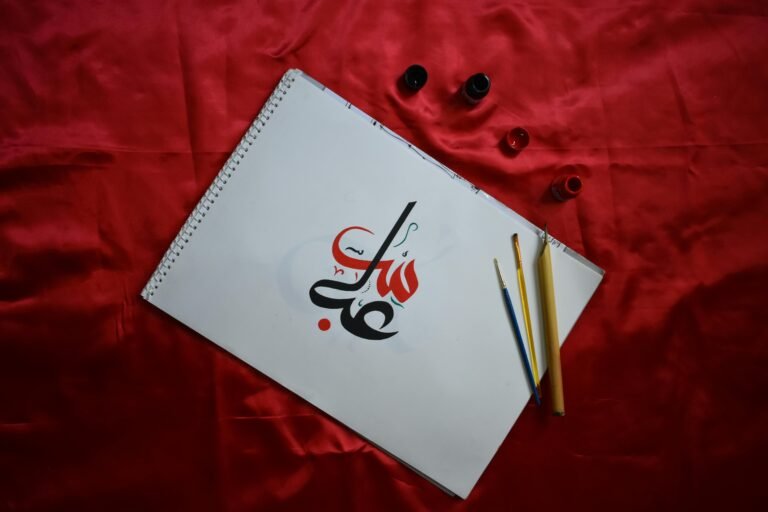
For personal use, the most popular application remains name art. Seeing your own name rendered in authentic Arabic calligraphy is a genuinely striking experience — particularly for people with Arabic heritage who want to connect with their cultural roots, or for people who simply appreciate the beauty of the script.
Social media creators use Arabic calligraphy generators to create distinctive visual content that stands apart from generic template-based posts. The combination of cultural depth and visual elegance gives calligraphic content an authenticity that audiences respond to.
The 5 Most Popular Arabic Calligraphy Styles in AI Generators
Understanding the different styles available helps you choose the right one for your specific project.
Naskh is the most widely used Arabic script in the world. It is the foundation of printed Arabic text in books, newspapers, and digital interfaces. Clean, balanced, and highly readable, Naskh is the right choice for any project where clarity matters more than decorative impact.
Thuluth is the grandest and most prestigious of all Arabic calligraphy styles. Its large, sweeping letter forms and complex proportional rules make it the style most associated with mosque inscriptions, Quranic artwork, and high-prestige decorative work. For any project where visual impact and cultural gravitas are the priority, Thuluth is the natural choice.
Diwani was developed in the Ottoman imperial court and remains one of the most romantic and visually dynamic Arabic styles. Its extreme fluidity — letters that arc and flow in dramatic curves — makes it particularly popular for wedding invitations, name art, and personalised gifts.
Kufic is the oldest Arabic script, originating in 7th-century Iraq. Its geometric, angular character gives it a bold contemporary quality that works extremely well in logos, wordmarks, and architectural applications. Square Kufic in particular has found a large modern audience among designers working with Islamic geometric art.
Ruq’ah is the practical everyday handwriting style used across the Arab world. Simplified, efficient, and elegant without being ornate, it is the style that most Arabic speakers actually write by hand. For any project that wants to feel personal and authentic rather than formal and monumental, Ruq’ah is worth considering.
Preserving Arabic Heritage Through Technology
One of the most important and often overlooked contributions of AI calligraphy tools is their role in cultural preservation. Classical Arabic manuscript traditions are at risk of becoming obscure — known to scholars and specialists but invisible to the general public.
AI generators that faithfully reproduce historical styles make these traditions immediately accessible. A student in Jakarta or a designer in Toronto can explore the visual logic of 10th-century Kufic script or 16th-century Ottoman Thuluth without any specialist training. This democratisation of access is genuinely significant for the long-term vitality of these traditions.
Professional calligraphers increasingly see AI tools not as competitors but as collaborators. The generator handles the technical rendering; the human calligrapher brings intention, emotional nuance, and the subtle imperfections that give hand-made work its soul. Many working calligraphers now use generators for rapid concept exploration before committing to time-intensive hand work.
How to Get the Best Results from an AI Generator
Getting the most from an AI Arabic calligraphy generator requires a little intentionality. Here are the practices that produce the best outcomes.
Start with a clear purpose. Knowing whether your output is for a logo, a personalised gift, social media content, or educational material helps you choose the right style and approach from the beginning.
Experiment with multiple styles before committing. The same word or name can look dramatically different in Naskh versus Thuluth versus Diwani. Generate all three and compare before deciding. The stylistic choice carries as much meaning as the text itself.
Keep text short for decorative purposes. Single words, names, or short phrases produce the most visually coherent calligraphic compositions. Longer passages of text are better suited to readable styles like Naskh rather than decorative ones like Diwani.
Export in SVG whenever possible. SVG files are infinitely scalable, making them usable at any size from a social media avatar to a large-format print without any quality loss.
Study the output before recreating by hand. If you are a calligraphy learner, use generator outputs as reference material. Study how the AI has connected letters, where curves tighten and loosen, and where strokes begin and end. This is exactly how apprentice calligraphers have always learned — by studying finished examples from more advanced practitioners.
Latest Developments in AI Arabic Calligraphy (2026)
The technology behind AI calligraphy generators is advancing rapidly. Several developments in 2026 are making these tools significantly more capable.
Style prediction has become more sophisticated. Modern generators can now suggest stylistic variations based on the character of the input text — recommending Diwani for romantic phrases and Thuluth for formal or religious content, for example.
Mobile access has improved dramatically. Current tools work as well on smartphones and tablets as on desktop computers, making it practical to generate and share calligraphy directly from a mobile device.
3D and texture effects are now available in several platforms. Embossed calligraphy, gradient-filled letterforms, and textured backgrounds allow outputs that are ready for merchandise printing, product packaging, and high-end presentation materials.
Real-time collaboration features allow multiple users to work on the same calligraphic design simultaneously — particularly useful for classroom settings, design teams, and online workshops.
Frequently Asked Questions
Can I use AI-generated Arabic calligraphy for commercial purposes?
Usage rights vary by platform. The Arabic Calligraphy Generator allows personal use of all outputs. For commercial projects such as logos, merchandise, or client work, check the specific licensing terms of the tool you are using.
Do I need to know Arabic to use these generators?
No. All quality generators accept Latin character input and handle the transliteration and rendering automatically. You do not need to speak, read, or write Arabic to produce authentic-looking calligraphic output.
How accurate is the calligraphy compared to hand-made work?
AI generators produce excellent approximations of classical styles that are appropriate for most design and personal use contexts. For work requiring the highest level of authenticity — such as Quranic inscriptions or formal cultural commissions — consulting a professional calligrapher is always recommended.
Which style should a complete beginner start with?
Naskh is universally recommended as the starting point for both learning calligraphy by hand and for exploring generators. Its clear, balanced forms make it the most legible and the most forgiving style for beginners.
Try the Arabic Calligraphy Generator today and see your words transformed into authentic Arabic art in seconds.
Try the Arabic Calligraphy Generator today and turn your words into stunning Arabic art in seconds.