How to Write Your Name in Arabic Calligraphy Free Online Guide
write your name in arabic calligraphy is one of most personal and striking things visually you can do Arabic script with. Whether want you it for a tattoo, a gift, a piece of wall art or simply to see how write your name in arabic looks in one of the world oldest and most beautiful systems writing this guide walks you through the complete process step by step.
The good news you do not need to speak Arabic study calligraphy or hire a designer. With the Arabic Calligraphy Generator, any name can be converted into authentic calligraphic script in seconds completely free.
Can Any Name Be Written in Arabic ?
Yes, Arabic script can represent the sounds of almost any name from any language. The process is called transliteration which means converting the sounds of write your name in arabic into the closest Arabic letters not translating meaning. Arabic name generator tool
For example the name “James” does not have a meaning direct Arabic but it is written phonetically as جيمس Jyms. name “Sarah” becomes because those exist naturally sounds in Arabic. The name “Michael” becomes مايكل.
The point key is that Arabic calligraphy for foreign names is phonetic always. The letters represent how write your name in arabic sounds, not what means it . This is why the result looks authentic rather than awkward Arabic has been absorbing names from Persian, Turkish English and languages other for over a thousand years.
How Arabic Works Transliteration:
Arabic has 28 letters and is from written right left. It is primarily a consonant script based, which means short vowels are sometimes omitted in everyday writing names including . Long vowels are written using letters specific (ا، و، ي).
Some English sounds do not exist Arabic, so the closest equivalent is used instead. The letter P for example, does not Arabic exist, so it is typically represented by ب B. The letter V is represented by ف F or sometimes a modified ف with three dots. Arabic alphabet
Here are some common English letters and their Arabic equivalents used in names
- A → ا or أ
- B → ب
- C (hard) → ك
- D → د
- E → إ or ي
- F → ف
- G → ج or غ
- H → ه or ح
- J → ج
- K → ك
- L → ل
- M → م
- N → ن
- O → و
- P → ب
- R → ر
- S → س
- T → ت
- V → ف
- W → و
- Z → ز
The Arabic Calligraphy Generator handles this conversion automatically. You type write your name in arabic in English and the tool produces the Arabic transliteration with proper letter shaping and calligraphic styling applied.
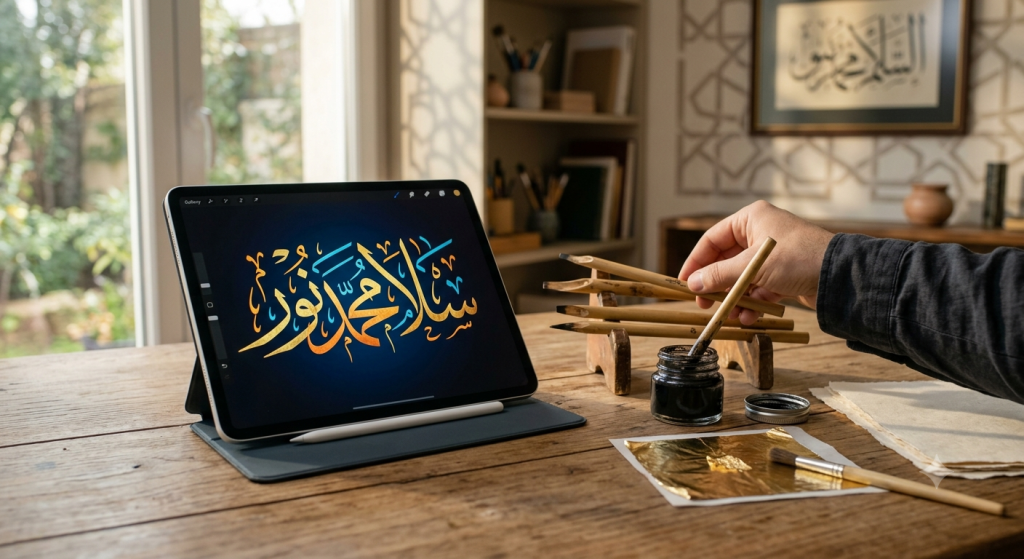
Step by Step Write Your Name in Arabic Using the Generator
Here is exactly how to get name your in Arabic calligraphy in under minutes two
Step 1 Go to the Arabic Calligraphy Generator
Open thearabicnamegenerator.com on any device. No account or needed registration.
Step 2 Type name your in the text box
Enter name your in English. The tool converts it to Arabic script automatically. You can also paste Arabic text directly if you already it have.
Step 3 Choose your style calligraphy
From Select Thuluth, Naskh, Diwani, Kufic, Nastaliq and more. Each style gives a completely different visual character to write your name in arabic more on choosing below.
Step 4 Adjust size font, color and stroke
Use the controls to change the size of name your on canvas. Add a stroke outline for definition. Change the fill color to match your intended use black for print, gold for decorative art and white for dark backgrounds.
Step 5 Choose your background
Select white for clean print output, transparent PNG for overlaying on other designs in Canva or Photoshop or one of the 10+ textured backgrounds for a ready-made artistic piece.
Step 6 Export your design
Choose PNG, transparent PNG or format JPG. Select 2x or 3x scale if you plan to print. Click Export and your file instantly downloads.
Which Calligraphy Style Suits Your Name ?
Different calligraphy styles create very different impressions. Choosing the right one depends on what you want to do with write your name in arabic and how long it is. guide to all 13 calligraphy styles
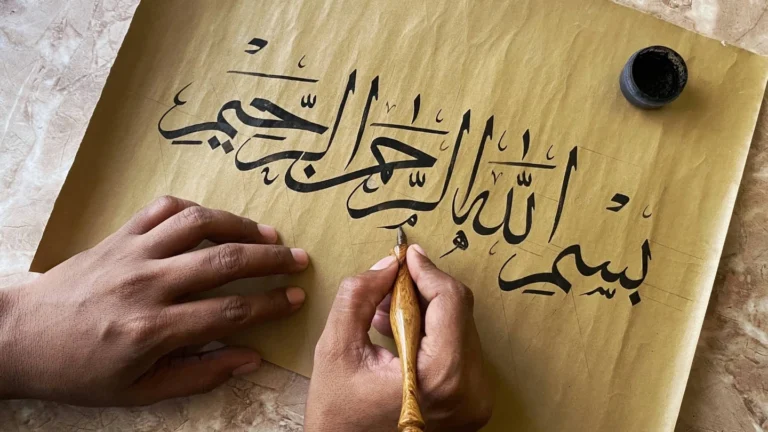
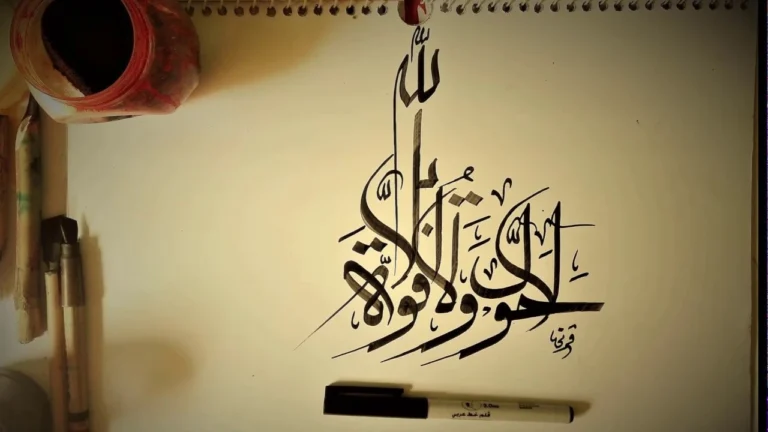
Thuluth is the most dramatic and artistic style. Its tall, elongated letters with generous curves make it ideal for short names of three to five letters. It is the style most commonly seen on mosque walls and framed Islamic art. Best for: statement art, framing, formal gifts.
Diwani is flowing, rounded, and deeply romantic. Developed in the Ottoman imperial court, it has a warmth and elegance that makes it perfect for couple names and wedding-related designs. Diwani Jali dots adds and embellishments. couple for names best, gifts wedding, jewelry personal.
Naskh is the most Arabic script legible and the one closest to everyday Arabic printed. It suits longer names and gives a clean modern look. Best for readable designs, social media, names full longer. Thuluth vs Naskh for names
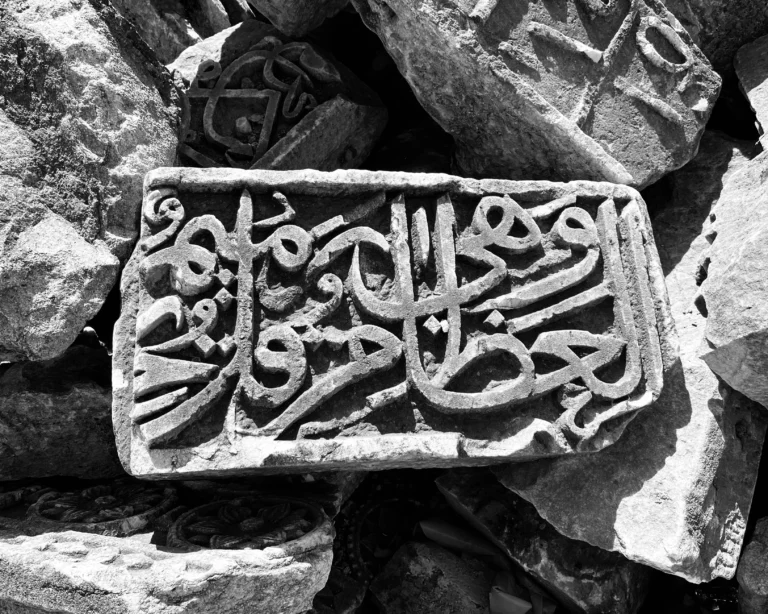
Kufic is geometric and angular—rooted in the earliest Islamic inscriptions. It gives names a bold, architectural quality. logos Best, modern minimalist design, tattoos that need lines clean.
Nastaliq is the script traditional of Persian, Urdu and Asian South writing. It flows diagonally with a lyrical, poetic quality. Best for: names of Asian South or Persian origin, poetry art inspired .
Popular Names and How Look They in Arabic
Here some are of most frequently searched names along with their Arabic calligraphic form:
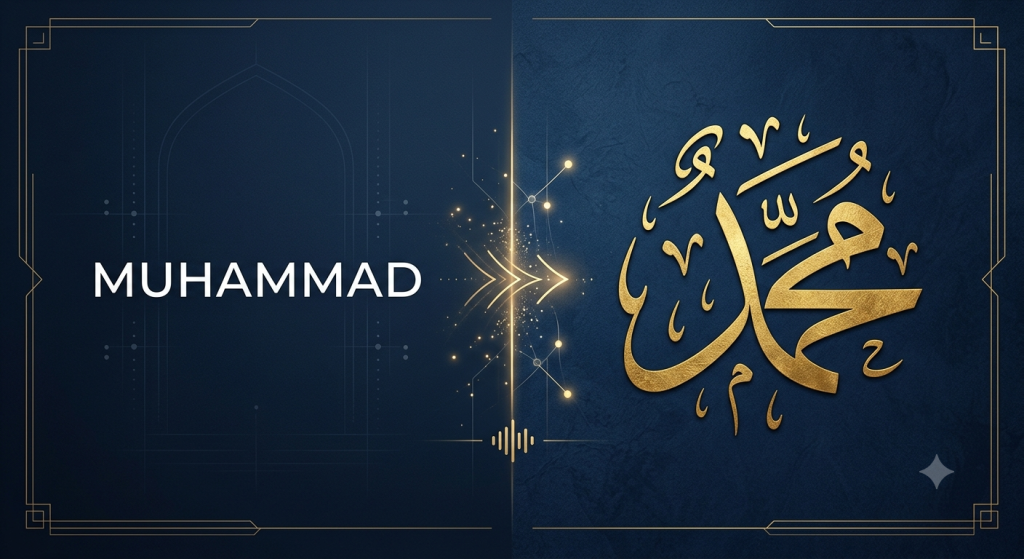
- Mohammed — محمد (one of the most beautifully structured names in calligraphy Arabic)
- Fatima — فاطمة
- Ali — علي
- Omar — عمر
- Aisha — عائشة
- Zara — زارا
- Lena — لينا
- James — جيمس
- Emma — إيما
- Noah — نوح (also an Arabic prophetic name)
- Sofia — صوفيا
- Adam — آدم (also an Arabic name)
Try any of these in the generator switch and between Thuluth, Diwani and Naskh to see how dramatically different the same name can across look styles. Arabic language learning
Uses for Your Name in Arabic Calligraphy
Once you have write your name in arabic calligraphy, the uses are almost limitless. Here are the popular most reasons people create these designs:
Tattoos
Arabic calligraphy tattoos are among most requested globally. Before getting inked, always verify your text Arabic with a speaker native or use a trusted tool. Incorrect letter connections are one of the most common tattooing errors with script Arabic. The generator produces correctly connected, properly shaped letters Arabic. Arabic name tattoo design
Gifts Personalized
A name in calligraphy Arabic on a mug, case phone, tote bag or print framed makes a personal deeply and culturally gift meaningful. Export at 3x scale for best quality print. name wall art gift ideas
Wedding décor
Couple names in calligraphy Diwani are a popular design element for wedding table settings, backdrops, invitation inserts and keepsake art. Export on a transparent background to overlay onto designs invitation. names for wedding invitations
Social media profile art
A name in calligraphy as a profile picture or header image stands out immediately. Export as a square PNG for photos profile or wide PNG for banners.
Branding Business
If your brand name has Arabic roots or you serve Arabic-speaking markets, a calligraphic version of write your name in arabic adds authenticity. Kufic and Naskh best work for logos.
Avoid Common Mistakes
The most frequent mistake is Google using Translate for Arabic name conversion. Google Translate is built for meaning to meaning translation, not name phonetic rendering. It will often produce an incorrect or Arabic awkward form of English names.
The most common second mistake is using a standard Arabic font instead of a generator calligraphic. Arabic fonts display individual letters, but they do not always respect the contextual shaping rules that make calligraphy Arabic look natural and authentic. A dedicated calligraphy tool handles letter connections and proportional correctly spacing.
The third mistake is exporting at resolution low for print. At 1x scale, design your may look sharp on screen but will pixelated appear when printed. Always export at 2x for use digital and 3x for printing at A4 size or larger.
Conclusion
Writing your name in calligraphy Arabic is a simple, meaningful and accessible act creative. Whether you have a connection to Arabic language and culture or simply find the beautiful script, seeing your name rendered in Thuluth or Diwani calligraphy is a genuinely experience striking.
The Arabic Calligraphy Generator makes this available to instantly anyone and completely free. Type your name, choose your style, and export design your — no design skills, no software, waiting no.