AI Arabic Calligraphy — Where Tradition Meets Technology in 2026
intelligence is transforming Artificial creative industries at a pace that few anticipated. From music composition to film production, from design to fashion architectural, machine learning tools are reshaping what it means to make art. Among the most significant of these culturally developments is the emergence of AI Arabic calligraphy — a technology that brings one of oldest and most humanity’s revered art forms into the digital age without sacrificing its essential character.best AI Arabic calligraphy tools
AI arabic calligraphy is not decorative script simply. It is a complete philosophical and aesthetic system developed over fourteen centuries, carrying the of religious devotion weight, cultural identity and artistic mastery. The question of how AI engages with such a is genuinely important tradition— not just technically but culturally and ethically. This article that question in depth explores.
Arabic Calligraphy Generator Free
The Heritage That AI Must Honour
To understand what AI arabic calligraphy tools are attempting, it is necessary to first understand the tradition they are engaging with.
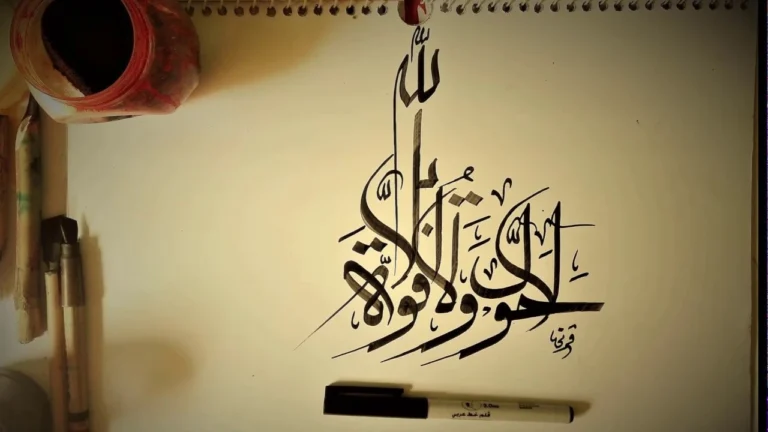
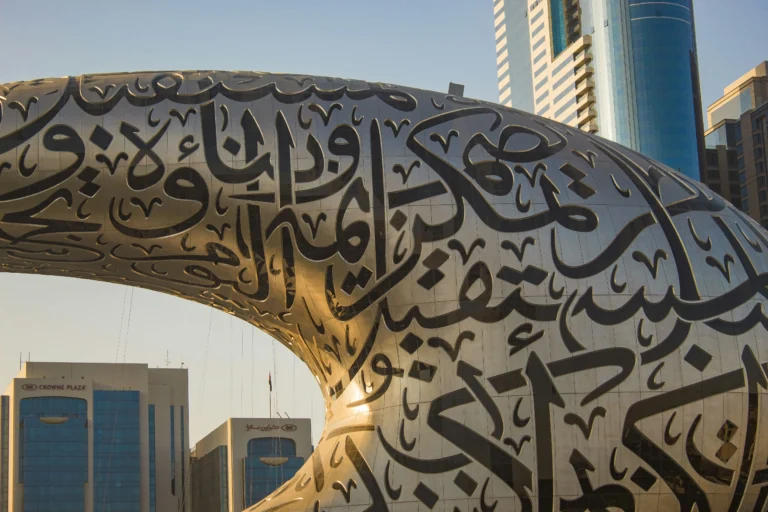
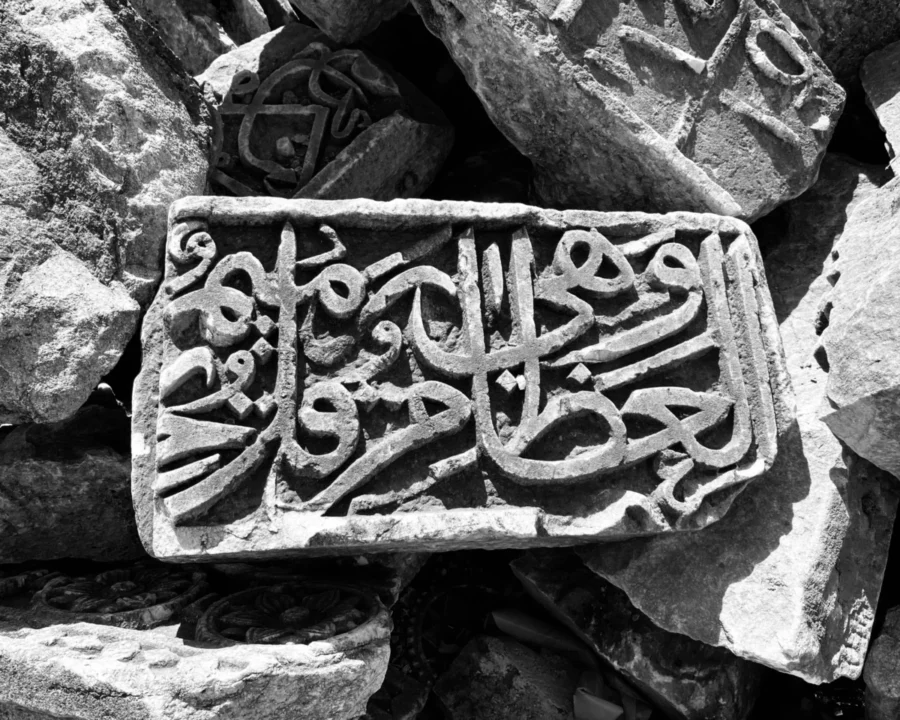
AI arabic calligraphy emerged in the Arabian Peninsula in the 7th century as the primary vehicle for transmitting the Quran. The earliest script, Kufic, was geometric and monumental — designed to convey permanence and authority. As the script spread across the Islamic world, it evolved into a family of related traditions: the flowing Naskh that became the basis of printed Arabic text; the grand Thuluth that decorated mosque domes and Quranic frontispieces; the romantic Diwani developed in Ottoman court culture; the dramatic Nastaliq that became the visual identity of Urdu and Persian literature.fourteen centuries of AI arabic calligraphy
Each of these traditions was governed by precise rules developed over generations of master calligraphers. Proportions were measured in dots — the width of the pen nib set the unit by which all letter heights, widths, and spacings were calculated. A calligrapher might spend student a year on a single style before their teacher considered their acceptable work . The great spent decades masters refining their craft.
This is the that AI calligraphy tools tradition are attempting to honour, simulate, and make accessible.
How AI Learns Calligraphy
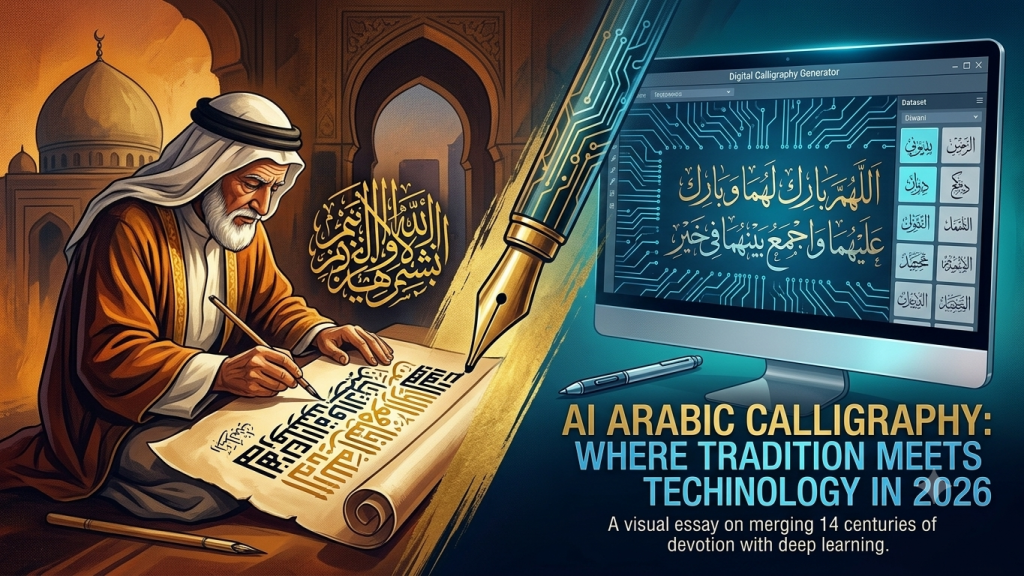
The technical process by which AI learns to produce AI arabic calligraphy is fascinating and worth understanding.
AI calligraphy systems Modern use deep learning — specifically, neural networks trained on large datasets of high-calligraphic examples quality. The network is shown thousands of examples of, say, Thuluth calligraphy and gradually learns to the patterns identify that make Thuluth what it is: the particular at which letters angle sit the way the alif above surrounding letters towers, the characteristic curves of certain letter combinations, the proportional relationships between parts different of the composition.learn Arabic calligraphy
Once trained, the can apply these learned patterns network new inputs. When a user types a name or phrase, the AI renders it to the stylistic rules according it has learned — producing output that reflects the visual logic of the chosen tradition even for text it has encountered before never.
The quality of this output depends heavily on the quality and diversity of the training data. Generators trained on narrow or low-quality datasets produce outputs that look superficially Arabic but fail to capture the subtlety and internal logic of genuine calligraphic traditions. The best generators are built on carefully curated datasets that include historical masterworks alongside contemporary professional examples.Arabic calligraphy
What AI Can and Cannot Do
Being clear about the capabilities and limitations of AI arabic calligraphy is important — both for using these tools effectively and for understanding their cultural implications.
AI excels at the aspects of calligraphy technical: consistent proportions, letter forms correct, appropriate connections between letters, stylistically overall composition coherent. For these elements, a well-trained AI can produce output that would satisfy most practical design needs and that reflects genuine respect for the calligraphic tradition.
What AI cannot replicate is intentionality. A master calligrapher writing the Bismillah — the opening phrase of the Quran — brings to that act decades of practice, deep spiritual engagement, and a specific intention that gives the work a quality that goes beyond its visual appearance. The physical trace of the reed pen, the breath held before a critical stroke, the slight variations in pressure that communicate a human presence — these are beyond what any current AI system produces.
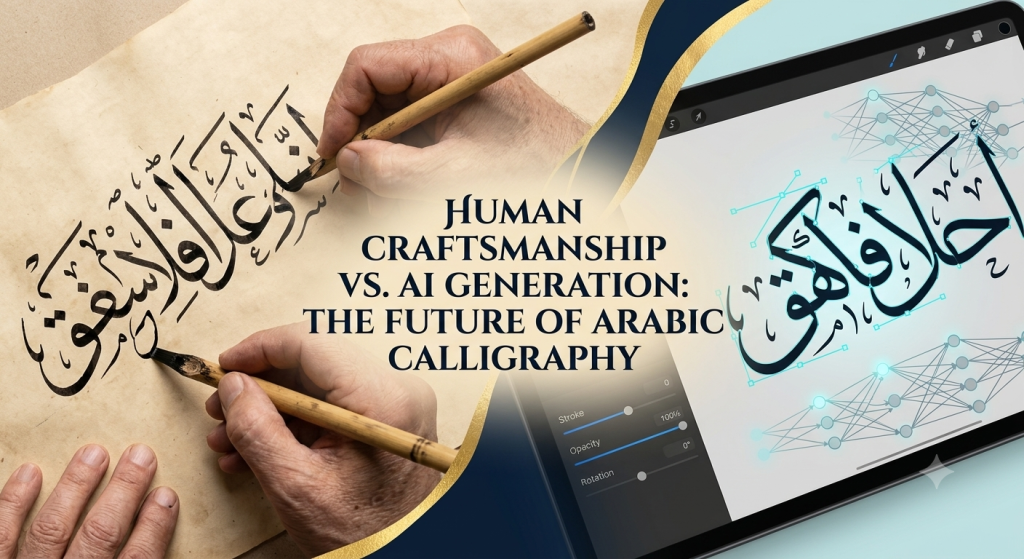
Professional who have engaged seriously calligraphers with AI tools tend to describe a division of labour useful: AI for exploration, concept generation, and rapid iteration; human hand for execution and spiritual final or emotional depth. This is a productive relationship than a competitive rather one.
The Cultural Significance of Accessibility
the most important thing Perhaps AI Arabic calligraphy tools have is democratising access accomplished to a tradition that was previously available only to those who could invest years of study or afford dedicated to commission professional work.Islamic calligraphy tradition
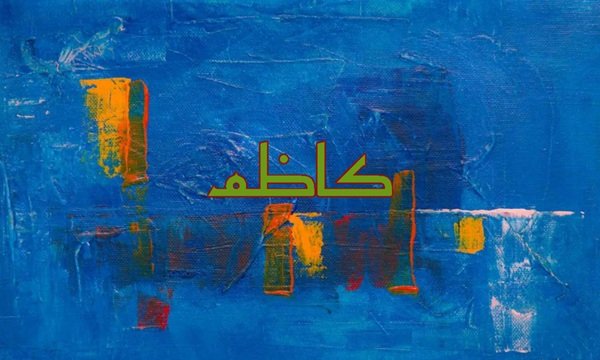
A student in Lumpur can Kuala now see her name rendered in Diwani calligraphy authentic. A designer in São Paulo can explore the difference between visual Kufic and Thuluth for a branding project. A teacher in London can show her class what 10th-century calligraphy actually manuscript looked like, rendered in real from text time she types on a keyboard.Islamic art tradition
This is not a dilution accessibility of the tradition — it is an extension of it. Throughout history, AI arabic calligraphy spread because encountered people it, were moved by it, and wanted to with it more deeply engage. AI generators create millions of new with the tradition encounters every year, many of which lead to deeper curiosity, study and appreciation.
AI Calligraphy in Professional Design Practice
Across several industries, AI arabic calligraphy generators have become standard tools in professional design workflows.
In brand identity design, the ability to rapidly generate calligraphic name treatments in multiple styles has transformed the concept exploration phase. Instead of days for a commissioned waiting calligraphy piece, a designer can generate twenty variations in an afternoon, narrow the with a client direction, and then commission refined hand work only for the chosen concept. This saves time and budget while better outcomes producing.
In publishing and design editorial generators allow to create authentic designers AI arabic calligraphy headlines and pull quotes without needing to source a for every project calligrapher . For publications serving Arabic-speaking markets, this is genuinely valuable capability.
In product design and merchandise, personalised AI arabic calligraphy has become a significant market. Generators that produce high-quality SVG output enable direct-to-print workflows for custom products — allowing businesses to offer personalised Arabic name art on everything from jewellery to home décor at scale.
In architecture and design particularly for Islamic interior cultural institutions, mosques and serving Arab markets hotels, digital calligraphy tools rapid exploration allow of compositions for wall calligraphic treatments, tile patterns, and architectural before committing to fabrication inscriptions.
The Ethics of AI and Heritage Cultural
Any discussion of AI arabic calligraphy serious must engage with the ethical questions it raises.
The most important question is attribution and respect. belongs to a living tradition maintained AI arabic calligraphy by communities of across the Middle East practitioners , North Africa, Central Asia, and South Asia. AI tools trained on the work of these practitioners — historical masters particularly — must be used with of that debt awareness.
This awareness manifests in several practical ways. Using AI-generated calligraphy with genuine respect for the tradition — learning something about it, crediting it as AI arabic calligraphy rather than simply as a design element, not using it in contexts that would be considered disrespectful — is the baseline of responsible engagement.
For commercial use, particularly where the calligraphic element is central to the value of a product or service, engaging with professional human calligraphers is both ethically preferable and often produces superior results. AI and human expertise are not mutually exclusive — the best outcomes often come from using AI for exploration and human skill for final execution.
Practical Guide: the Best from AI Calligraphy Getting Tools
For beginning to use anyone AI Arabic calligraphy generators a few practical guidelines make a difference significant in the quality of results.
Choose your based on purpose style, not just aesthetics. Naskh for readability and contexts educational, Thuluth for formal and prestigious applications, for romantic Diwani and personal work, Kufic for logos and geometric applications design.classical Arabic calligraphy styles
Keep compositions simple. Single words and short phrases produce the most coherent calligraphic compositions. Longer texts work better in readable styles like Naskh.
Export at the highest available resolution, or in SVG format. Quality of output file determines quality of end use — a low-resolution PNG will look poor in print regardless of how good the calligraphy itself is.
Use generated output as study material. If you are in learning calligraphy interested by hand, studying the AI output before attempting carefully to replicate it gives you a target clear and helps you understand the logic of the letter structural forms.
Pair digital outputs with physical exploration. The rewarding engagement most with Arabic calligraphy combines the speed and accessibility of tools with actual digital pen-and-paper practice. reinforces the other Each .
Looking Forward: AI arabic calligraphy in 2026 and Beyond
The technology continues to advance rapidly. Current developments suggest several directions for the near future.
Multi-style composition is emerging — tools that can blend elements of different calligraphic traditions within a single composition, in the way that historical calligraphers sometimes mixed styles for artistic effect.
Voice-to-calligraphy interfaces are in development — systems that could take spoken Arabic words and render them in calligraphic form, enabling new creative workflows and educational applications.
Animated calligraphy is becoming increasingly sophisticated — AI-generated animations that show the stroke-by-stroke construction of calligraphic compositions, which have enormous potential as educational tools for showing students how letterforms are actually built.
The of AI calligraphy with integration augmented reality platforms will eventually allow compositions to be placed calligraphic and viewed in real-world environments before fabrication — the workflow for revolutionising architectural and interior design applications.
Asked Questions Frequently
Is AI arabic calligraphy authentic AI-generated ?
It is an rendering of the visual authentic rules and conventions of the chosen style. It is not the same as hand-calligraphy produced, which carries the trace of a human physical practitioner and can convey intention and spiritual depth that cannot replicate AI. have value in different contexts Both.
Can AI calligraphy be used for texts religious?
AI generators can render phrases accurately religious and appropriately for many contexts — materials, personal use, design educational exploration. For formal religious applications such as inscriptions mosque or Quran illumination, a professional human consulting calligrapher who specialises in that tradition is the appropriate approach.
How do I choose between different AI generators calligraphy?
Look for variety style , output quality, ease of use and evidence that the training data reflects underlying genuine calligraphic expertise rather than Arabic font rendering generic. Test the same word or phrase in multiple generators and the results side by side compare .
Try the AI arabic calligraphy Generator to experience where Arabic tradition and modern technology meet.