Arabic Calligraphy Styles — Jawi, Khat, Nastaliq & Kufi Guide 2026
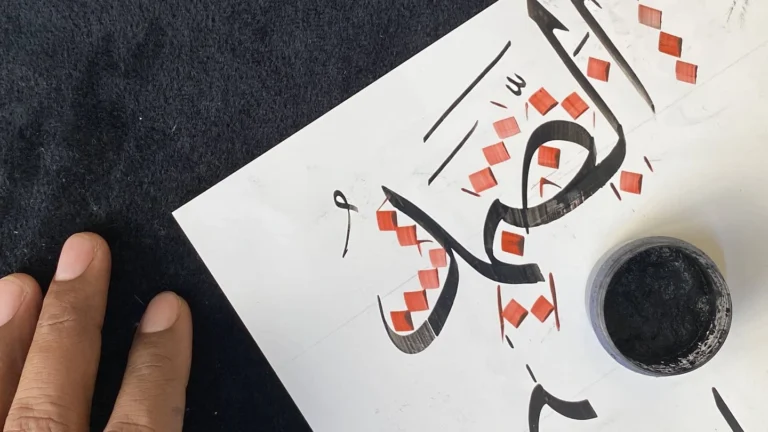
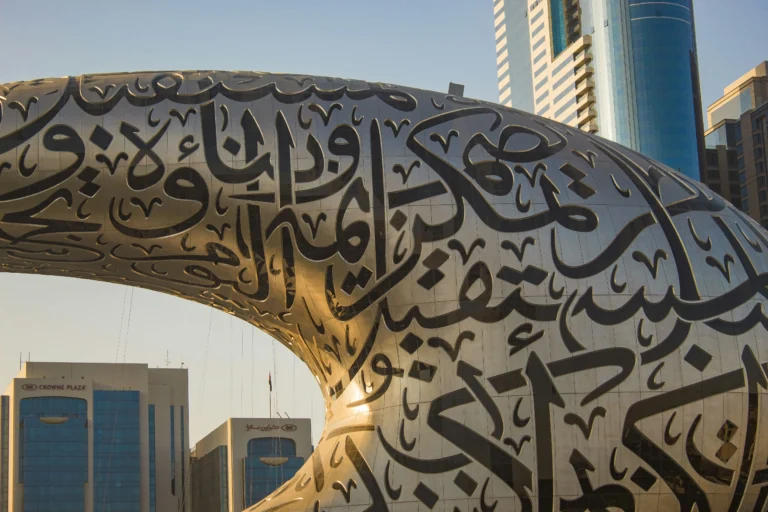
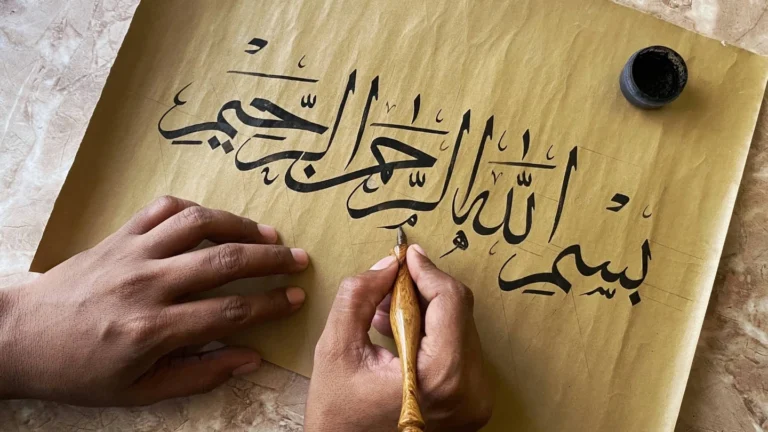
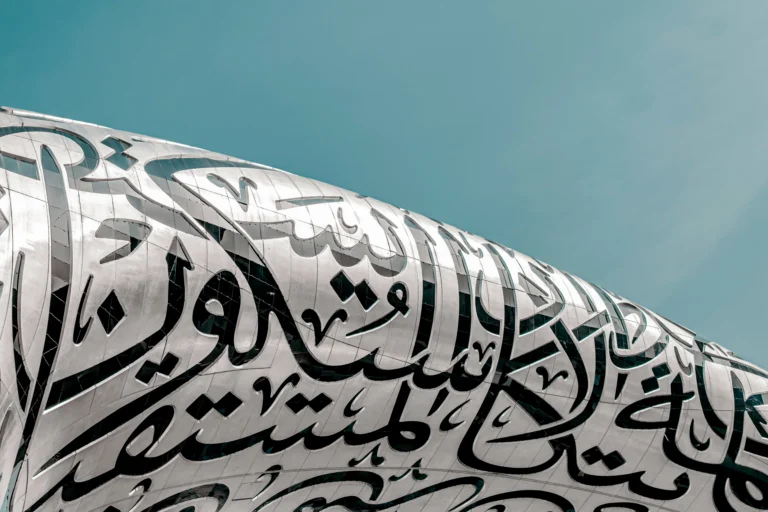
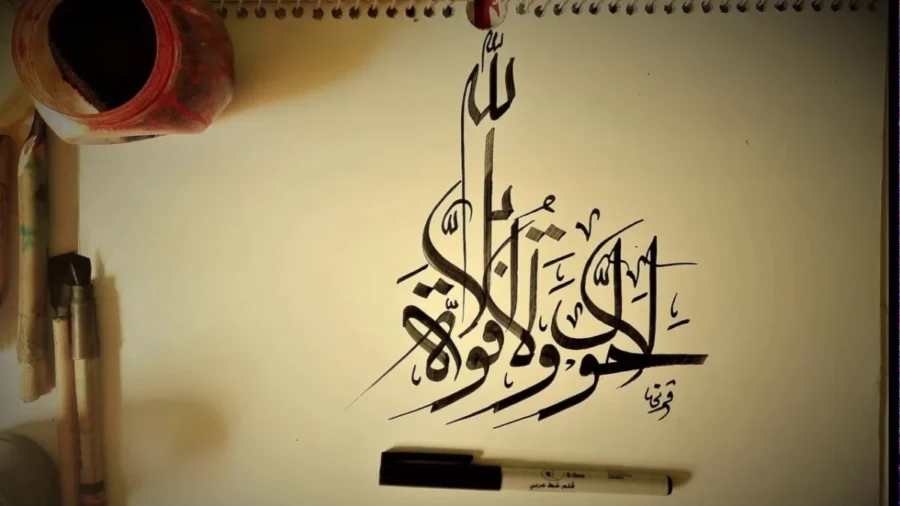
Arabic calligraphy styles span fourteen centuries and stretch from Morocco to Malaysia. While most people picture the sweeping scripts found in Middle Eastern mosques and manuscripts, Arabic calligraphy is not one style — it is a rich family of regional traditions, each carrying its own cultural fingerprint, letterforms, and artistic history.
Understanding these regional differences helps you choose the right style for your project — whether you are designing a logo, creating a wedding invitation, exploring your cultural heritage, or learning what makes each tradition distinct.
Why Regional Styles Developed Differently
Arabic script began in the Arabian Peninsula and spread rapidly across the Islamic world from the 7th century onwards. As it reached new regions, local scribes adapted it to suit their languages, their aesthetic preferences, and their cultural needs. Persian speakers needed characters for sounds that Arabic lacked. Malay speakers required additional letters. Turkish Ottoman calligraphers developed an almost architectural precision that differed dramatically from the fluid styles of their Arab contemporaries.
The result is a rich ecosystem of related but distinct calligraphic traditions. Each carries its own rules, its own masters, its own classical texts, and its own contemporary applications. Today, digital tools make it possible to explore and generate text in all of these styles from a single screen.
Jawi Script — The Arabic Script of Southeast Asia
Jawi is the Arabic-based writing system developed for the Malay language, and it remains in official use across Malaysia, Brunei, and parts of Indonesia, Thailand, and the Philippines. It looks visually similar to standard Arabic calligraphy but includes several additional letters created specifically to represent sounds in the Malay language that have no Arabic equivalent.
Visually, Jawi calligraphy tends toward softer, more rounded forms than classical Arabic scripts. The letters sit comfortably on the writing line with generous spacing, giving Jawi text an open, readable quality. In modern Malaysia, Jawi appears on official government signage alongside the Latin-based Rumi script, on banknotes, in Islamic religious texts, and in formal ceremonies.
For designers working on projects related to Southeast Asian culture, Islamic heritage, or Malay identity, a Jawi generator provides an authentic representation that standard Arabic fonts simply cannot replicate. The script carries deep historical and cultural resonance for hundreds of millions of people across the region.
Khat — The Classical Arabic Calligraphy Tradition
The word “khat” simply means handwriting or script in Arabic, but in the context of calligraphy it refers to the classical tradition of six major Arabic scripts developed and refined over centuries. These six styles — Thuluth, Naskh, Muhaqqaq, Rayhani, Tawqi, and Riqa — form the foundation of formal Arabic calligraphy education to this day.
Naskh is the most widely used style in the world. Clean, balanced, and highly readable, it forms the basis of printed Arabic text in books, newspapers, and digital interfaces. For anyone learning Arabic calligraphy, Naskh is the natural starting point.
Thuluth is considered the master style, the benchmark against which all other Arabic calligraphy is measured. Its large, sweeping forms and complex proportional rules make it the style most commonly seen in mosque decorations, Quranic inscriptions, and prestige calligraphic works. Learning Thuluth takes years and is considered a significant achievement.
Muhaqqaq and Rayhani were historically used for copying large Quranic manuscripts. Both are relatively rare today but deeply respected in classical scholarship. Tawqi and Riqa were administrative scripts used in official correspondence and state documents.
Of all the Khat styles, Thuluth and Naskh are the ones most commonly available in modern calligraphy generators. They represent the best balance between classical authenticity and modern usability.
Urdu Nastaliq — The Most Beautiful Script in South Asia
Nastaliq is the dominant calligraphic style for Urdu, the national language of Pakistan and a major literary language across South Asia. It developed in Persia in the 14th and 15th centuries as a fusion of the Naskh and Ta’liq styles, and it eventually became the defining visual identity of Urdu literature and culture.
What makes Nastaliq visually distinctive — and technically extraordinary — is its dramatic diagonal flow. Where most Arabic calligraphy scripts run along a roughly horizontal baseline, Nastaliq words cascade diagonally, with each letter sitting slightly lower than the one before it. The overall effect is like water flowing downhill — graceful, fluid, and unmistakably beautiful.
Nastaliq carries enormous cultural weight in Pakistan. It is the script of classical Urdu poetry, of literary journals, of wedding invitations, of religious texts, and of national identity. Seeing a word or name rendered in Nastaliq feels fundamentally different from seeing it in any other script — it carries emotional and cultural associations that go far beyond simple aesthetics.
Digitising Nastaliq has been one of the great technical challenges of Arabic typography. The diagonal flow and complex ligatures require far more sophisticated rendering than standard Arabic scripts, which is why high-quality Nastaliq fonts and generators are genuinely valued by designers working in this space.
Kufi — The Oldest Arabic Script
Kufic calligraphy holds a unique place in history as the oldest form of Arabic script still in use. Originating in the city of Kufa in present-day Iraq during the 7th century, it was the script used to write the earliest copies of the Quran and the first major Arabic inscriptions.
Unlike the flowing, curved scripts that dominate Arabic calligraphy, Kufic is fundamentally geometric and angular. Letters are constructed from straight lines, sharp corners, and precise angles, giving Kufic text a monumental, architectural quality that feels more like geometry than handwriting.
Over the centuries, three major variants of Kufic developed. Square Kufi fits letters into a strict grid of equal-sized squares, creating almost pixel-art-like compositions used extensively in tile work and architectural decoration. Floral Kufi incorporates elaborate leaf and vine ornaments growing out of the letter forms themselves. Geometric Kufi uses the angular letter structures to create complex interlocking patterns.
Today, Kufic is extremely popular in modern design contexts. Its geometric nature makes it ideal for logos, wordmarks, architectural lettering, and brand identity work where Arabic calligraphy needs to feel bold and contemporary rather than traditionally ornate.
Comparing the Regional Styles
| Style | Origin | Best For | Difficulty Level |
|---|---|---|---|
| Jawi | Malaysia / SE Asia | Malay text, official signage, cultural projects | Beginner |
| Naskh (Khat) | Arabian Peninsula | Readable text, books, digital content | Beginner |
| Thuluth (Khat) | Ottoman Turkey | Decorative art, mosque inscriptions, prestige work | Advanced |
| Nastaliq | Persia / Pakistan | Urdu poetry, South Asian cultural projects | Advanced |
| Square Kufi | Iraq (7th century) | Logos, geometric art, architectural lettering | Intermediate |
Which Style Should You Choose for Your Project?
The right style depends entirely on what you are trying to communicate and to whom. For logo design and brand identity work, Kufi offers clean geometric forms that scale beautifully and feel contemporary. For personalised gifts, wedding items, or name art, Diwani and Naskh produce the flowing, romantic aesthetic most people associate with Arabic calligraphy. For projects related to Urdu literature, Pakistani culture, or South Asian heritage, Nastaliq is the only authentic choice. For anything touching Southeast Asian Muslim culture or the Malay-speaking world, Jawi is essential.
You can explore all of these styles and see your own text rendered in each one using the Arabic Calligraphy Generator. Experimenting with multiple styles side by side is the fastest way to develop an eye for what each tradition offers.
Latest Trends (2026 Update)
Using the Arabic Calligraphy Generator for Regional Styles
The Arabic Calligraphy Generator supports all major regional script traditions in a single tool. You can preview your text in Nastaliq for Urdu projects, switch to Kufic for logo work, or use Naskh for readable designs — all without switching platforms.
For Jawi projects, type your Malay text directly into the generator and select Naskh or Diwani — the tool handles right-to-left rendering and letter connections automatically. Export as transparent PNG for use in Canva, Illustrator, or direct print.
Explore Each Style Further
Understanding regional Arabic calligraphy styles is the first step. To go deeper into specific traditions, explore these detailed guides:
- Thuluth vs Naskh — Which Style Should You Use?
- History of Arabic Calligraphy — From Kufi Origins to Modern Digital Art
- Complete Arabic Calligraphy Fonts Guide — All 13 Styles
- How to Write Your Name in Arabic Calligraphy
Try all regional styles free on the Arabic Calligraphy Generator — no signup, no software, instant export.
Frequently Asked Questions
Can people who are not Muslim use these calligraphy styles?
Absolutely. Arabic calligraphy is a cultural and artistic tradition that belongs to the heritage of humanity, not exclusively to any religious group. Artists, designers, and learners of all backgrounds study and practice these scripts worldwide. Cultural appreciation, approached with respect and genuine interest, is always welcome.
Are these regional calligraphy styles still taught formally?
Yes. Calligraphy schools and academies exist across the Middle East, Turkey, Malaysia, Pakistan, and Iran where students train for years under master calligraphers. Many universities in these regions also offer formal calligraphy education as part of art and Islamic studies programmes. The tradition is very much alive.
Which style is easiest to learn as a complete beginner?
Naskh is the universal recommendation for beginners. It has the most structured rules, the most available learning resources, and the most readable letterforms. Once you are comfortable with Naskh, transitioning to regional styles becomes significantly easier because you already understand the underlying logic of Arabic calligraphy proportions.
What is the difference between Jawi and Arabic script?
Jawi is Arabic script adapted for the Malay language. It uses the same base alphabet as Arabic but adds 6 extra letters — Pa, Ga, Nga, Ca, Nya, and Va — to represent Malay sounds that do not exist in Arabic. Visually, Jawi looks very similar to Arabic but is used to write Malay words rather than Arabic ones.
Can I generate Urdu names in Nastaliq calligraphy online?
Yes. The Arabic Calligraphy Generator supports Nastaliq script, which is the authentic style for Urdu names and text. Type your Urdu name in English — the tool converts it to correct Urdu script in Nastaliq style automatically. Export as PNG for gifts, social media, or print.
Try the Arabic Calligraphy Generator to discover your own style today.